
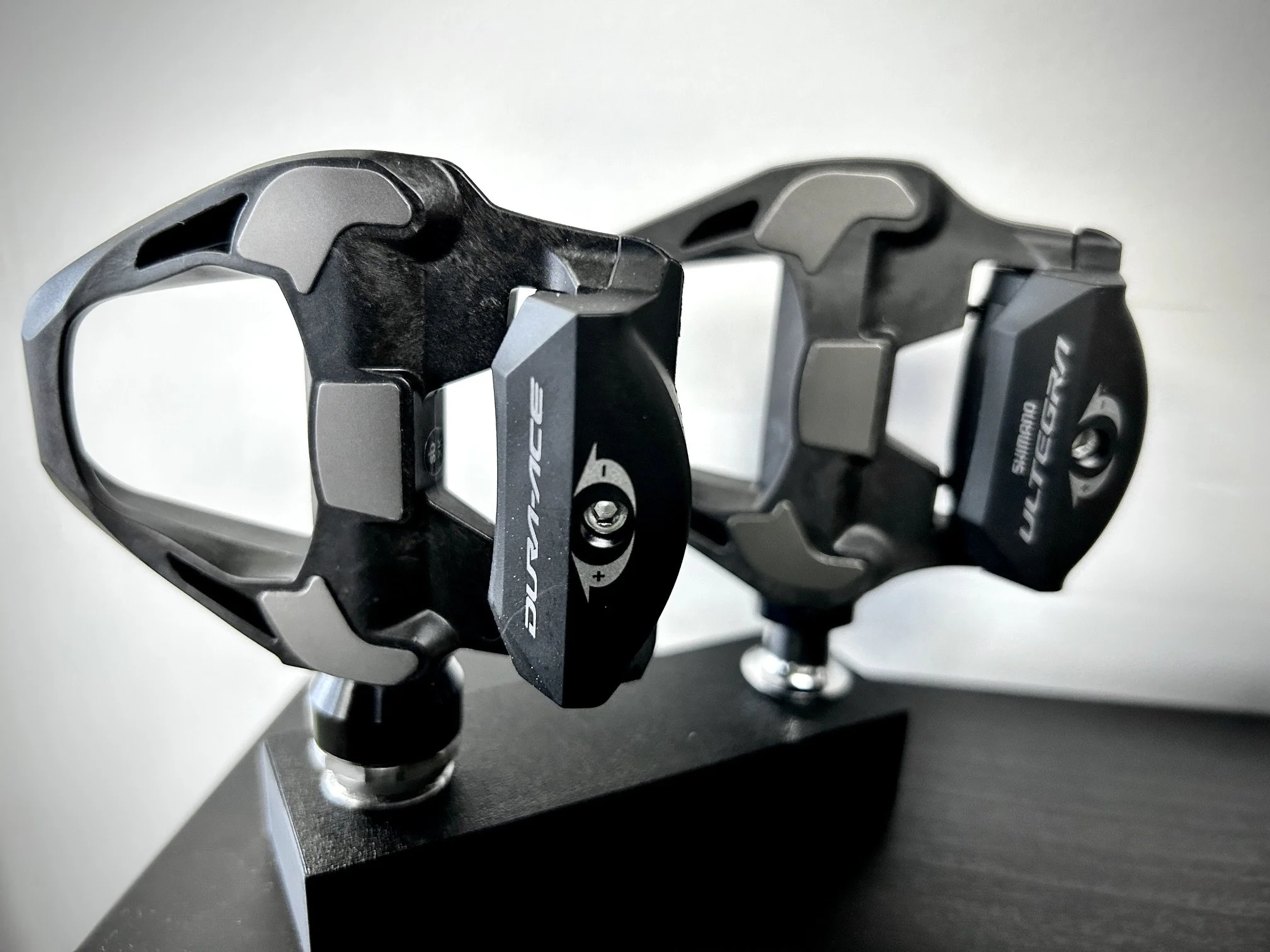
New Isn't the Same as Better: When Bicycle Innovation Stops Helping the Rider
The bicycle industry is extraordinarily good at making measurable improvements. But measurable and meaningful aren’t always the same thing. Shimano’s new pedals reduce stack height by 2.3 mm—or an impressive-sounding 15 percent. It raises a larger question about cycling technology: when does innovation actually make riding better, and when does it simply make bicycles more complicated?
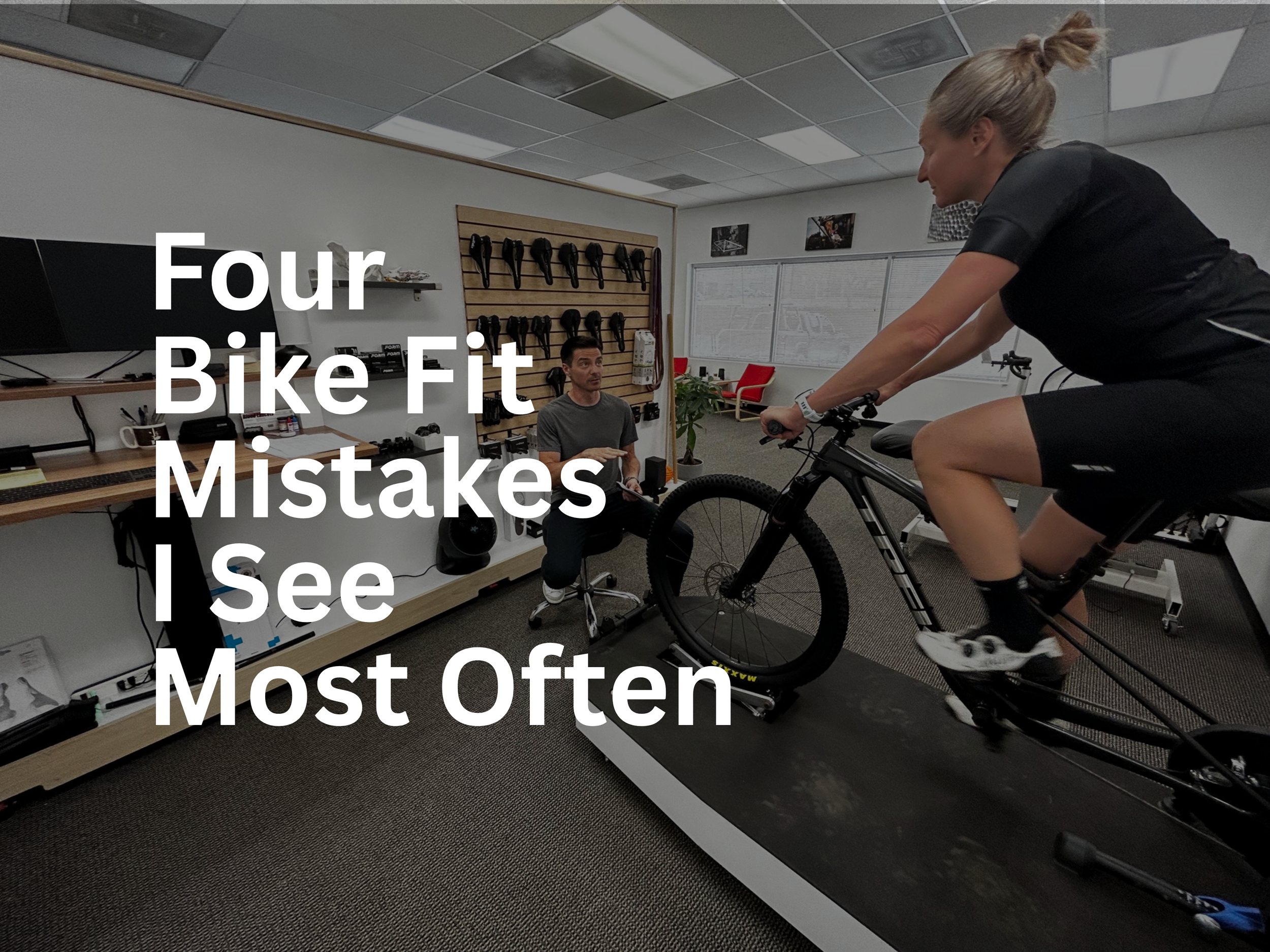
The Bike Fit Mistakes I See Most Often — And the Assumptions Behind Them
Many common bike fit mistakes begin with reasonable ideas that have become rigid rules. From cleat position and knee angle to spinal posture and saddle fore-aft, the problem often isn’t the adjustment—it’s prescribing it before understanding the rider.
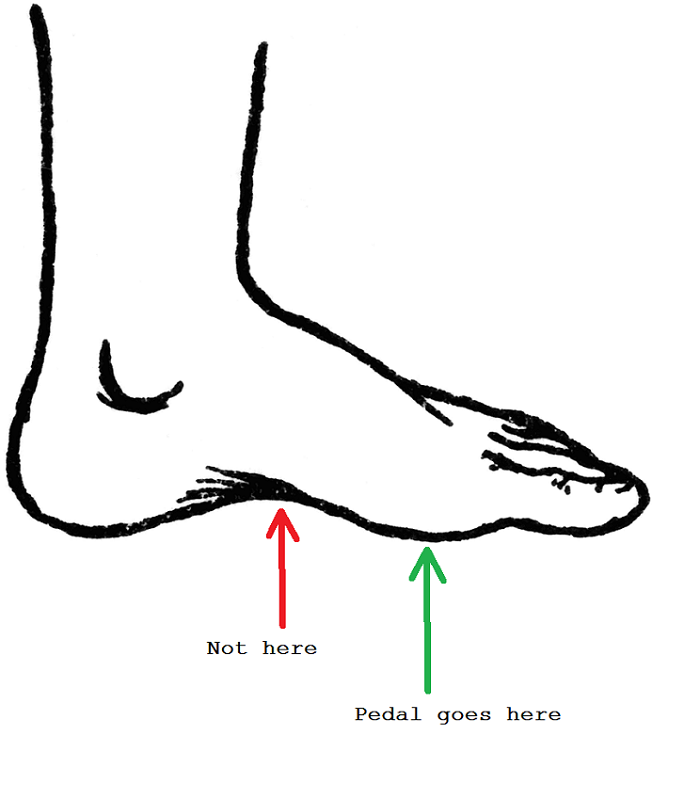
Part 2 - If the Ankle Is the Pivot, Everything About Cleat Position Changes
If the foot behaves as a rigid lever inside a cycling shoe, fore-aft cleat position becomes a question of lever mechanics rather than anatomical landmarks. Discover how total foot length may influence muscle recruitment, stability, and pedaling efficiency.
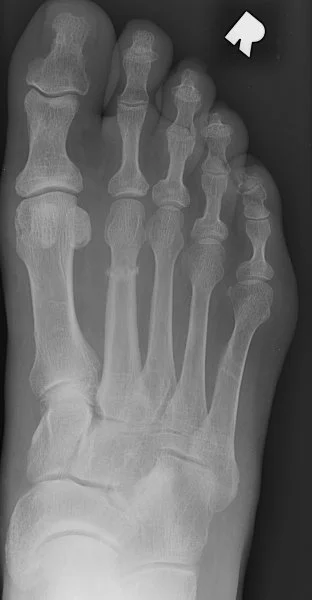
Part 1- We've Been Measuring the Wrong Thing: Rethinking Fore-Aft Cleat Position
Fore-aft cleat position has long been based on the location of the metatarsophalangeal joints. But if the foot behaves as a rigid lever inside a cycling shoe, are we measuring the right anatomy—or simply following convention?
Twenty Years Asking Better Questions
For more than twenty years, I've been chasing one question: why do some riders leave a bike fit feeling transformed while others continue searching for answers? That pursuit has taken me far beyond the bicycle industry, through graduate research in exercise physiology and biomechanics, international bike fit instruction, clinical manual therapy training, and thousands of hours working with riders whose problems couldn't be solved by simply adjusting a saddle or changing a stem. Recently, the International Bike Fit Institute recognized that journey by awarding me their Level 4 – Master Bike Fitter certification. More meaningful than the title itself was the reason behind it: a philosophy that values clinical reasoning, continued learning, and consistently helping riders achieve better outcomes. This isn't the story of a certification. It's the story of why I've spent two decades asking better questions—and how that pursuit shapes every rider who walks through the door at RedEye Service Course.
The Foot Isn’t Neutral Just Because It Gets Ignored
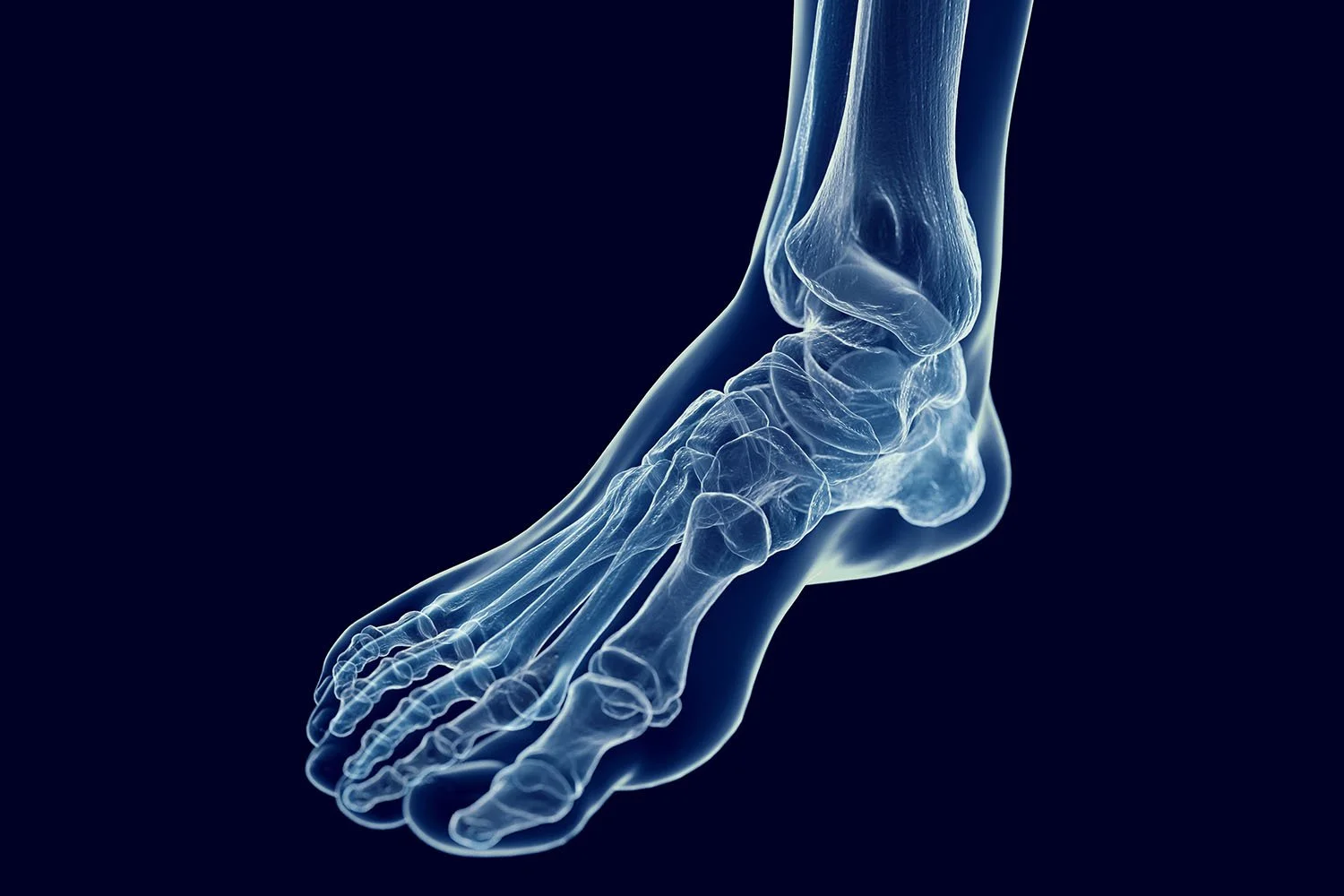
Cyclists are routinely told they have pelvic asymmetries, functional leg-length discrepancies, hip imbalances, and chronic pain patterns. Yet one of the bicycle's three primary contact points is often excluded from the conversation entirely: the feet.
Three Reasons Your Hand Problems May Have Nothing to Do With Your Bike Fit.
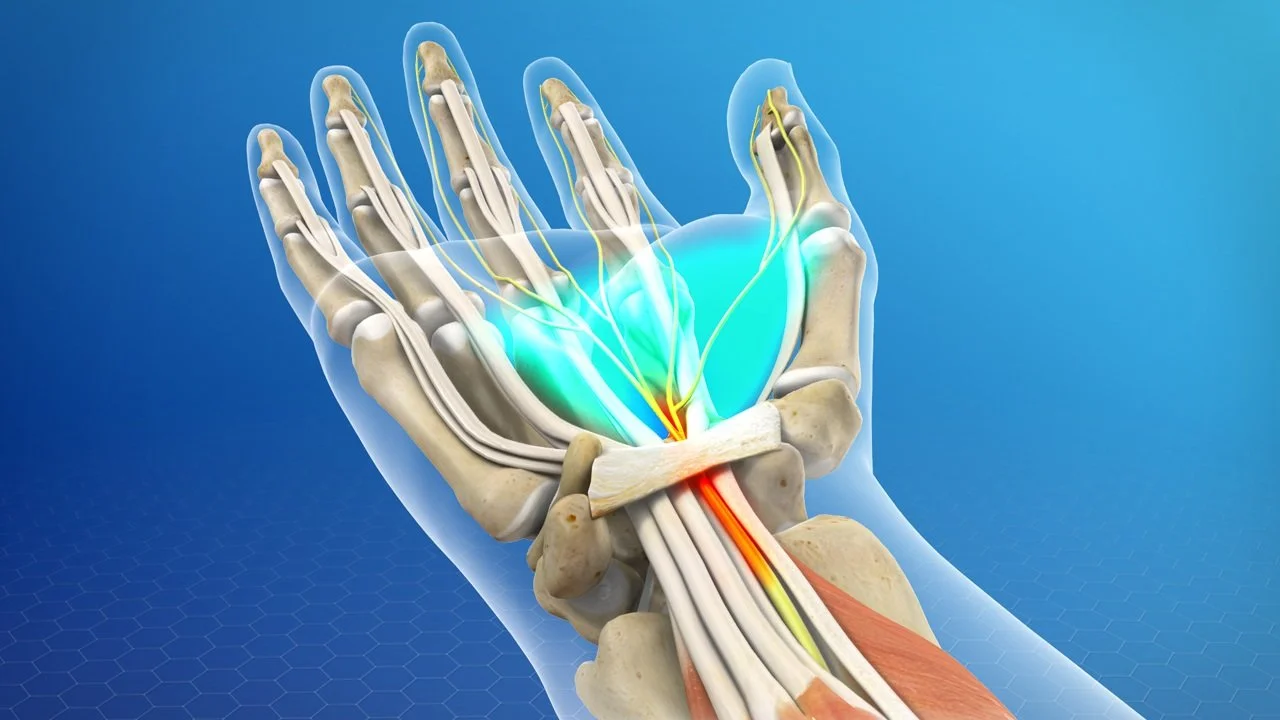
Hand numbness is often blamed on gloves, handlebars, or weight distribution. In reality, the source of the problem may originate in the neck, shoulder, or forearm long before the nerves ever reach your hands.
Who Should You Trust With Your Bike Fit?
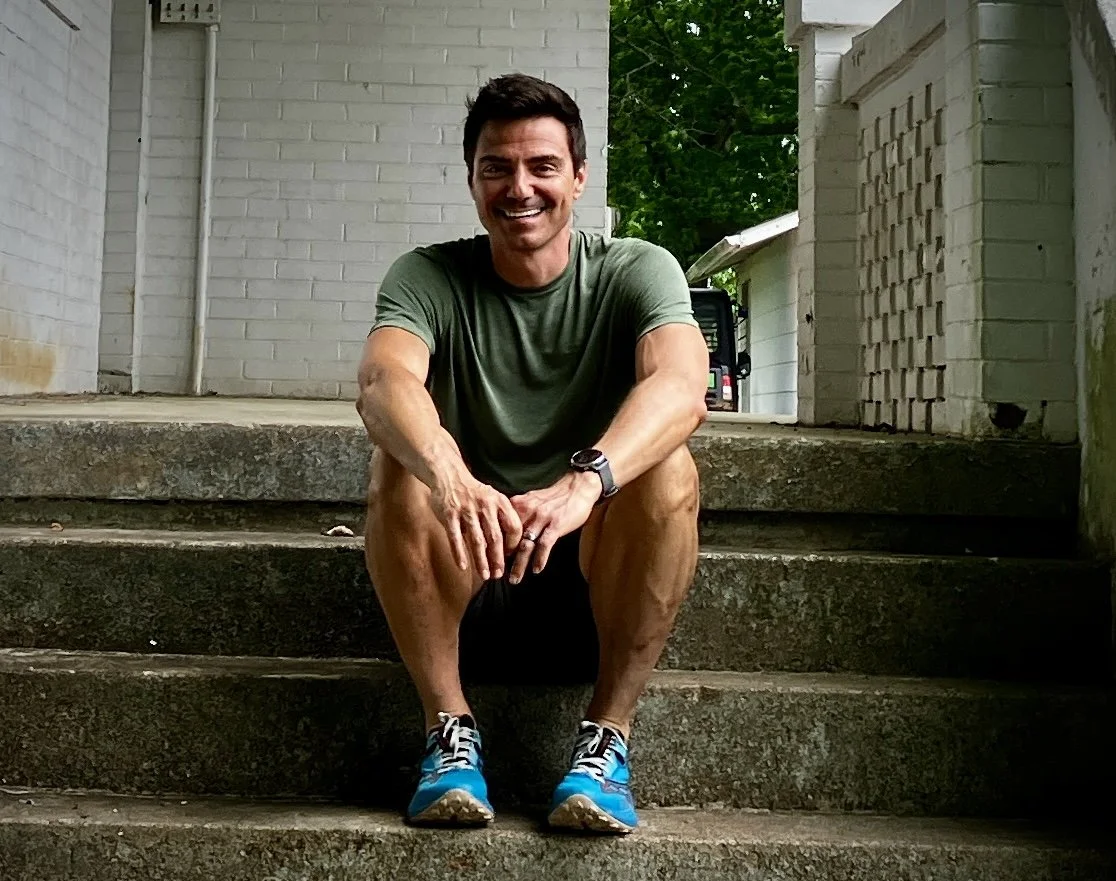
Choosing a bike fitter goes beyond software, joint angles, and equipment. After 22 years of fitting, academic research in biomechanics, international education, clinical bodywork training, and work with everyone from world champions to everyday riders, I’ve learned that fitting is ultimately about understanding people.
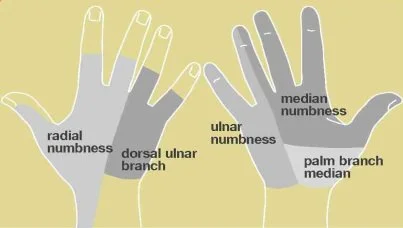
Bike Fit for Hand Numbness: Why Your Hands Go Numb While Cycling
Hand numbness while cycling isn't always caused by gloves, handlebars, or pressure at the palm. Rider balance, wrist position, aging, breathing mechanics, and nerve irritation anywhere between the neck and fingertips can contribute. A thoughtful bike fit looks beyond where the numbness occurs to understand why it's happening.
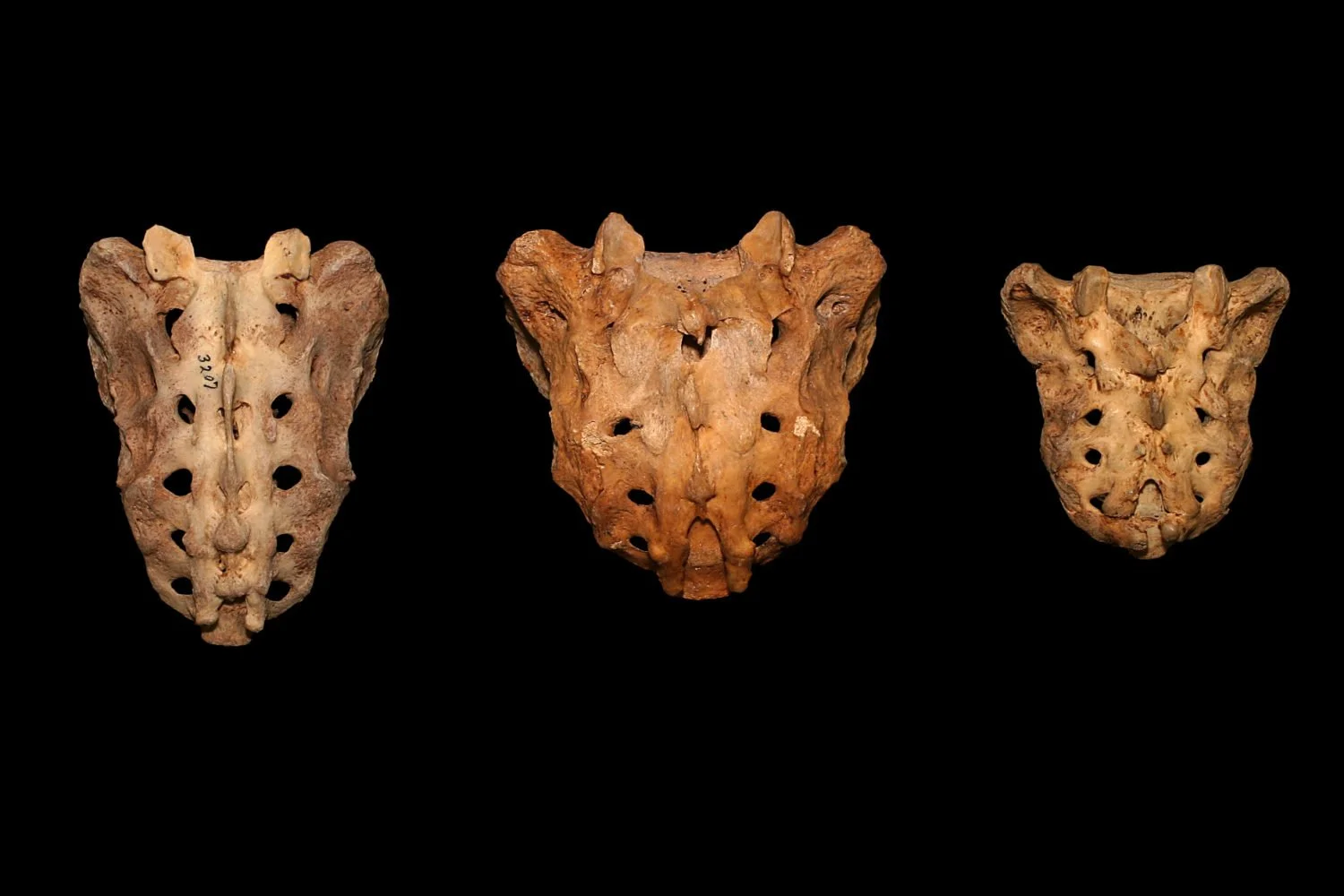
Bike Fit for Back Pain: Why Your Lower Back Hurts When Cycling
Lower back pain while cycling isn’t always a problem with the back itself. Hip mobility, pelvic stability, crank length, saddle position, posture, and movement strategies can all influence how the lumbar spine is loaded. A thoughtful bike fit looks beyond where it hurts to understand why the back is struggling.
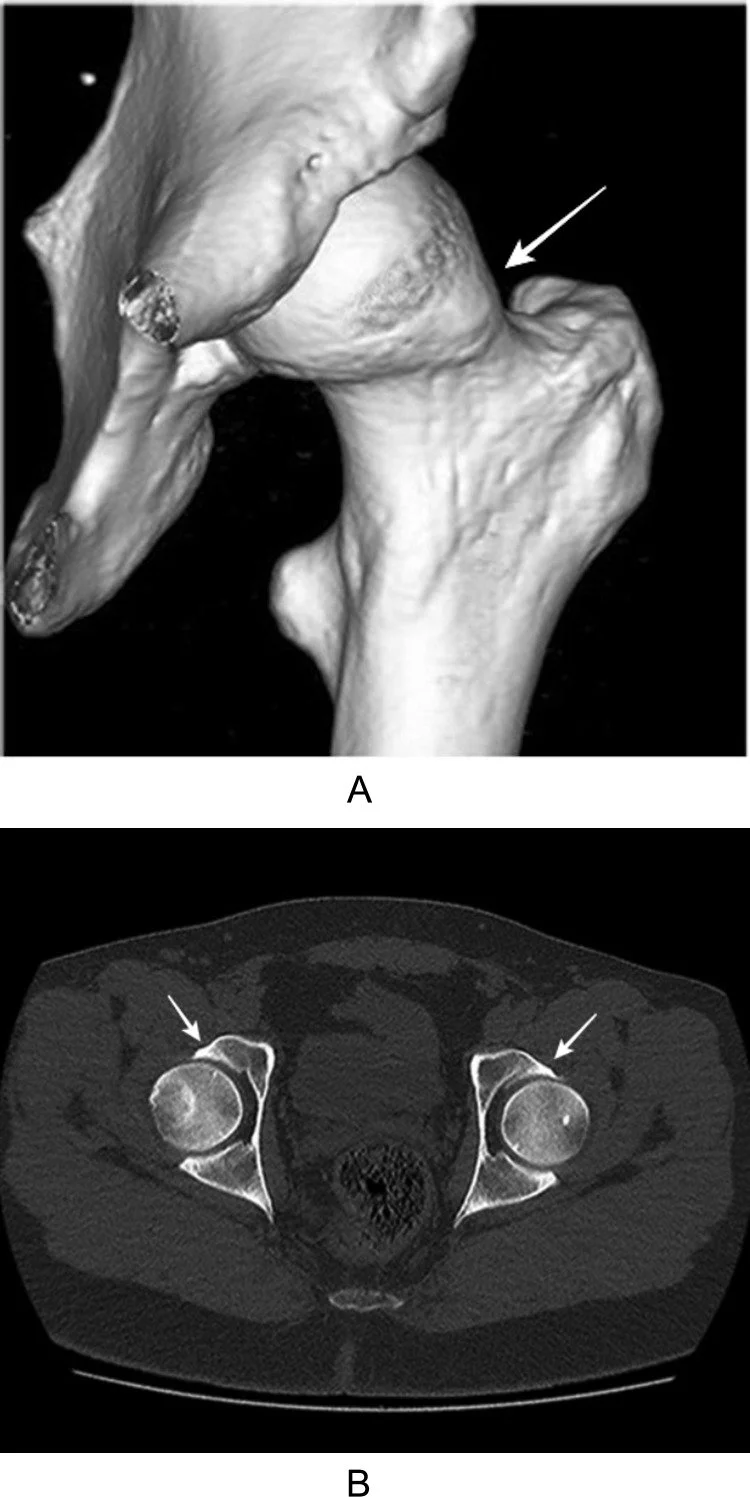
Bike Fit for Hip Pain: Why Your Hips Hurt When Cycling
Hip pain while cycling isn't always solved by simply “opening the hips.” Crank length, saddle position, pelvic asymmetry, mobility, and foot mechanics can all influence how the hip moves under load. A thoughtful bike fit starts by understanding why the hip is struggling—not simply changing the angle.
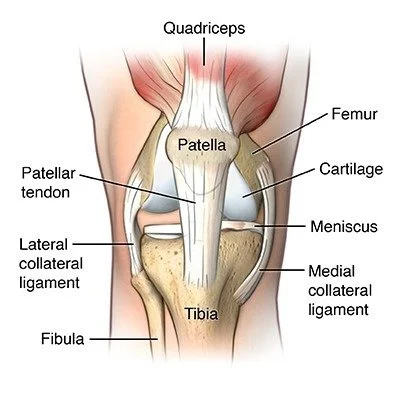
Bike Fit for Knee Pain: Why Your Knees Hurt When Cycling
Knee pain is common among cyclists, but the knee isn’t always the source of the problem. Saddle position, cleat setup, crank length, hip mobility, pelvic stability, and foot mechanics can all influence what happens at the knee. A thoughtful bike fit looks beyond where it hurts to understand why it hurts.

Visibility, Not Brightness: Rethinking Cycling Safety
Cycling safety is often reduced to a single idea: brighter lights equal safer riding. But human vision doesn’t work that way. Drivers respond to contrast, motion, beam shape, and context far more than raw lumen output. This article explores why visibility is a system—not a product—and how thoughtful lighting, clothing choices, and biomotion cues help cyclists be seen clearly without creating glare, annoyance, or misjudgment on the road.
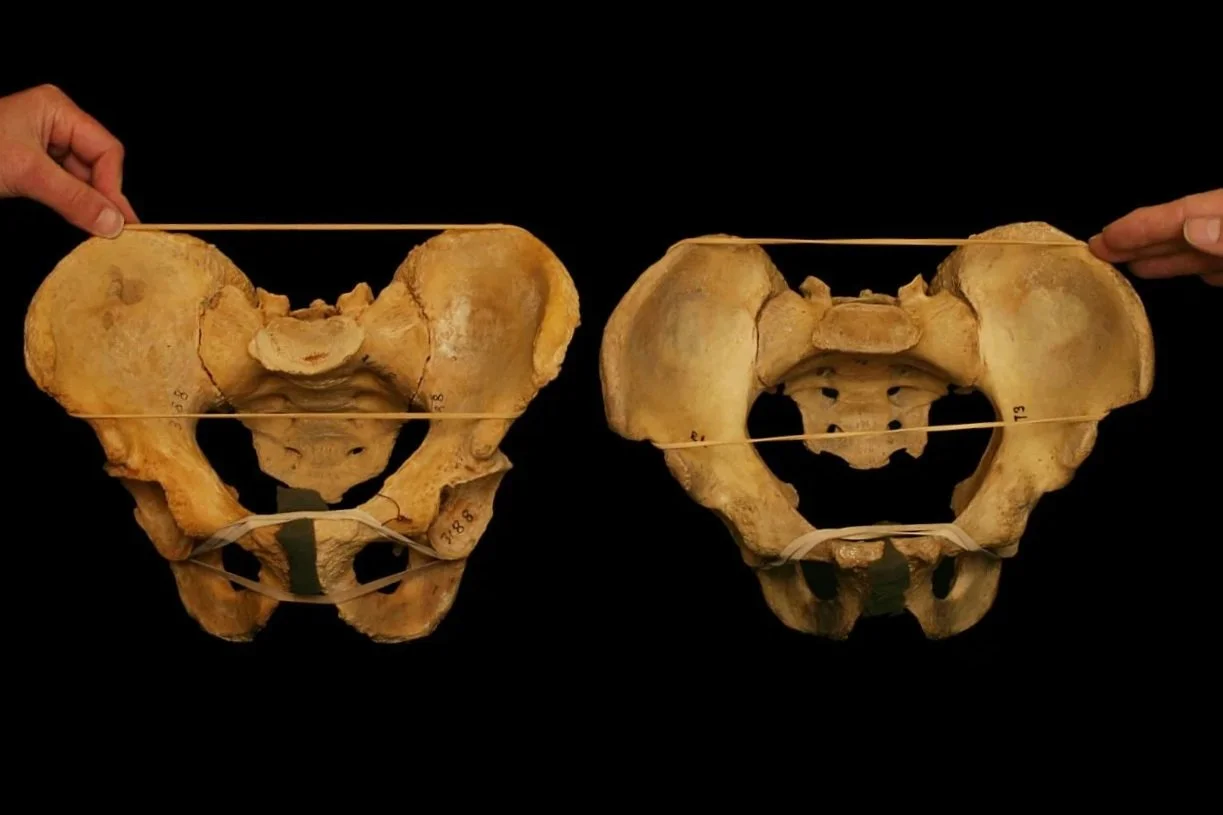
Pelvic Asymmetry: The Invisible Problem That Shapes Everything
Subtle pelvic asymmetries can shape how riders load the bike, absorb stress, and adapt over time. Addressing them often clarifies problems that never quite resolve otherwise.
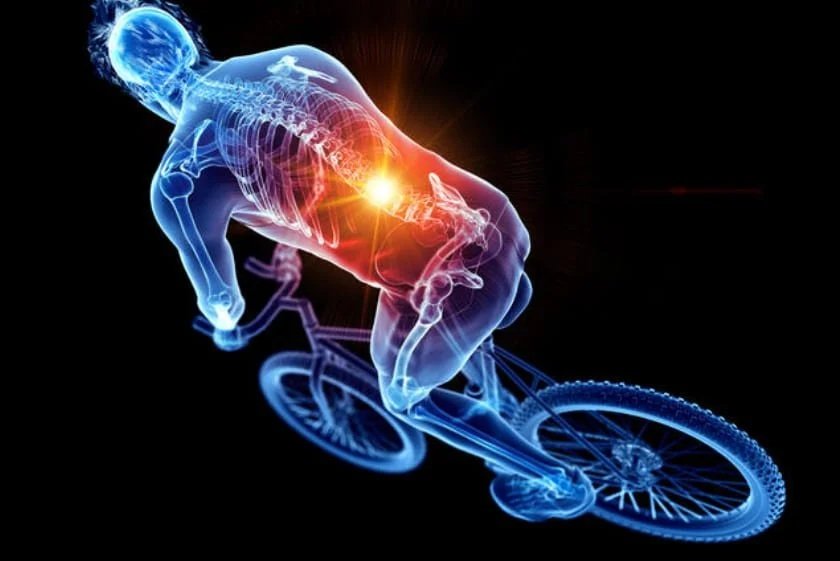
Why Your Back Is the Victim, Not the Problem
In cycling, the back is frequently the victim of forces generated elsewhere. Addressing hip function, pelvic control, and load distribution often resolves back pain more effectively than treating the spine alone.
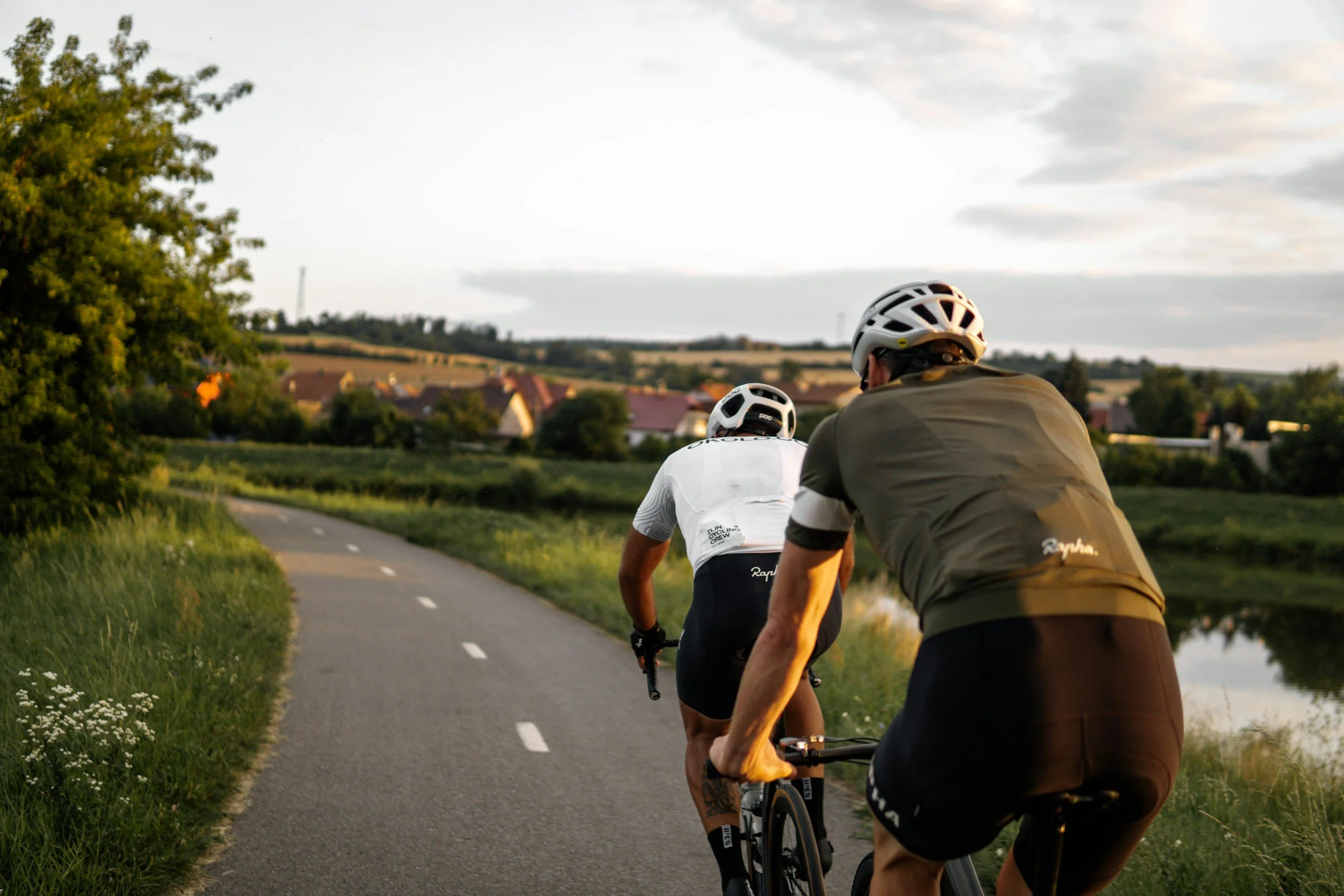
Cycling, Hip Flexors, and the Postural Debt Many Bike Fits Miss
Cycling places sustained demands on the hips that extend beyond the bike. Without addressing hip flexor tone and posture, many fit solutions treat symptoms rather than causes.
MCTs, Metabolic Flexibility, and Why Timing Matters
Training the body to burn fat efficiently expands performance potential. When fat oxidation is strong, carbohydrates become a powerful tool—not a dependency.
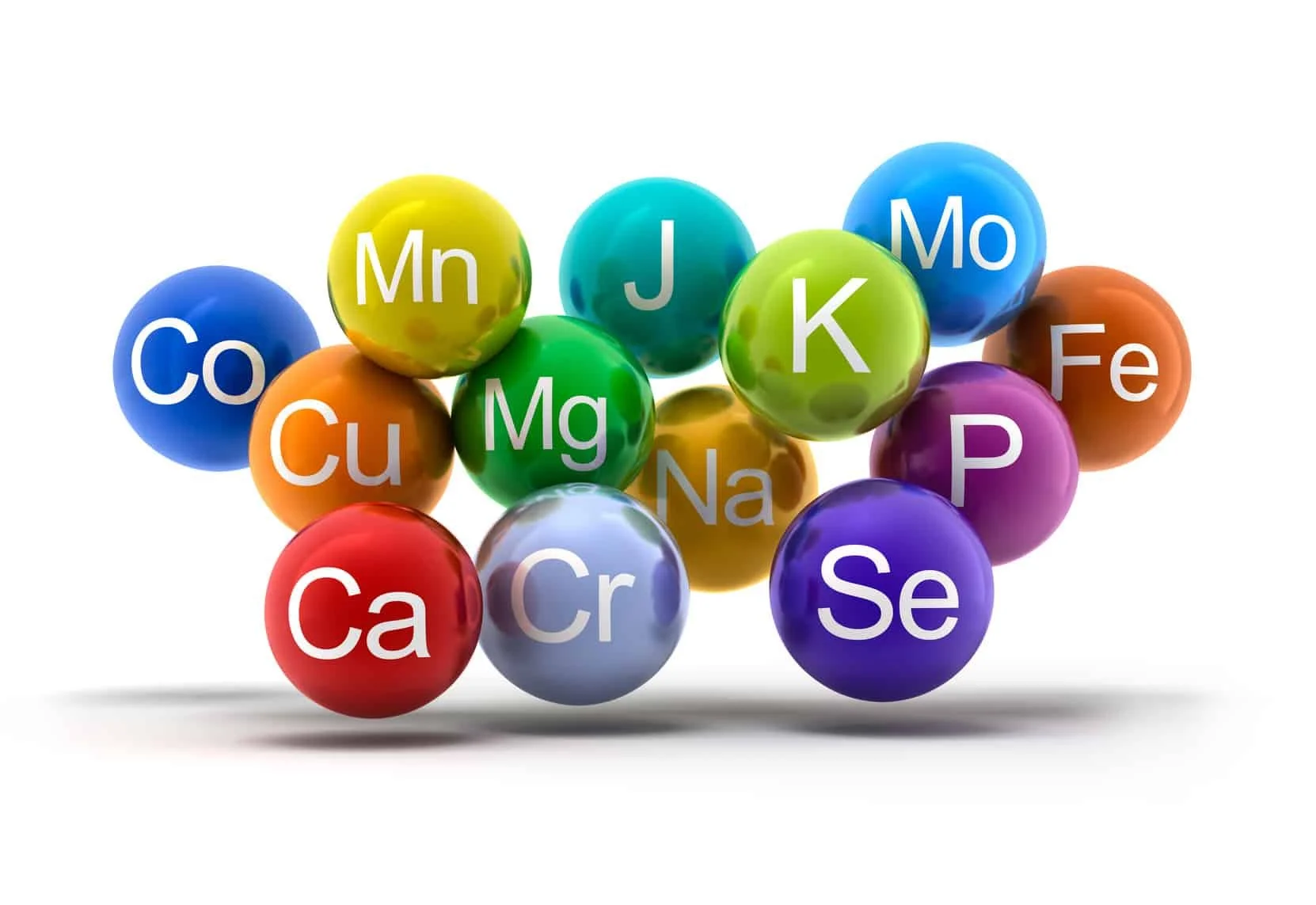
Cramping Isn’t Lactate or Electrolytes — And It Probably Never Was
For decades, cramps were blamed on lactate. Research now points elsewhere—to neuromuscular fatigue, signaling disruption, and cumulative stress.

120 Grams Per Hour: Performance Optimization or Metabolic Myopia?
High carbohydrate intake can support intense efforts, but fueling every ride like a race comes with tradeoffs. Performance and metabolic health aren’t always aligned—and context matters.
What Wearables Get Right: Measuring the Body, Not Just the Ride
Wearables shift the focus from output alone to the state of the body producing it. Used wisely, they support better decisions around training, recovery, and longevity.