
MCTs, Metabolic Flexibility, and Why Timing Matters
Training the body to burn fat efficiently expands performance potential. When fat oxidation is strong, carbohydrates become a powerful tool—not a dependency.
Cramping Isn’t Lactate or Electrolytes — And It Probably Never Was
For decades, cramps were blamed on lactate. Research now points elsewhere—to neuromuscular fatigue, signaling disruption, and cumulative stress.

120 Grams Per Hour: Performance Optimization or Metabolic Myopia?
High carbohydrate intake can support intense efforts, but fueling every ride like a race comes with tradeoffs. Performance and metabolic health aren’t always aligned—and context matters.

What Wearables Get Right: Measuring the Body, Not Just the Ride
Wearables shift the focus from output alone to the state of the body producing it. Used wisely, they support better decisions around training, recovery, and longevity.

Why Heart Rate Is Often a Better Guide Than Power
Power measures what you produce. Heart rate reflects what it costs. For day-to-day training decisions, that distinction matters more than most riders realize.
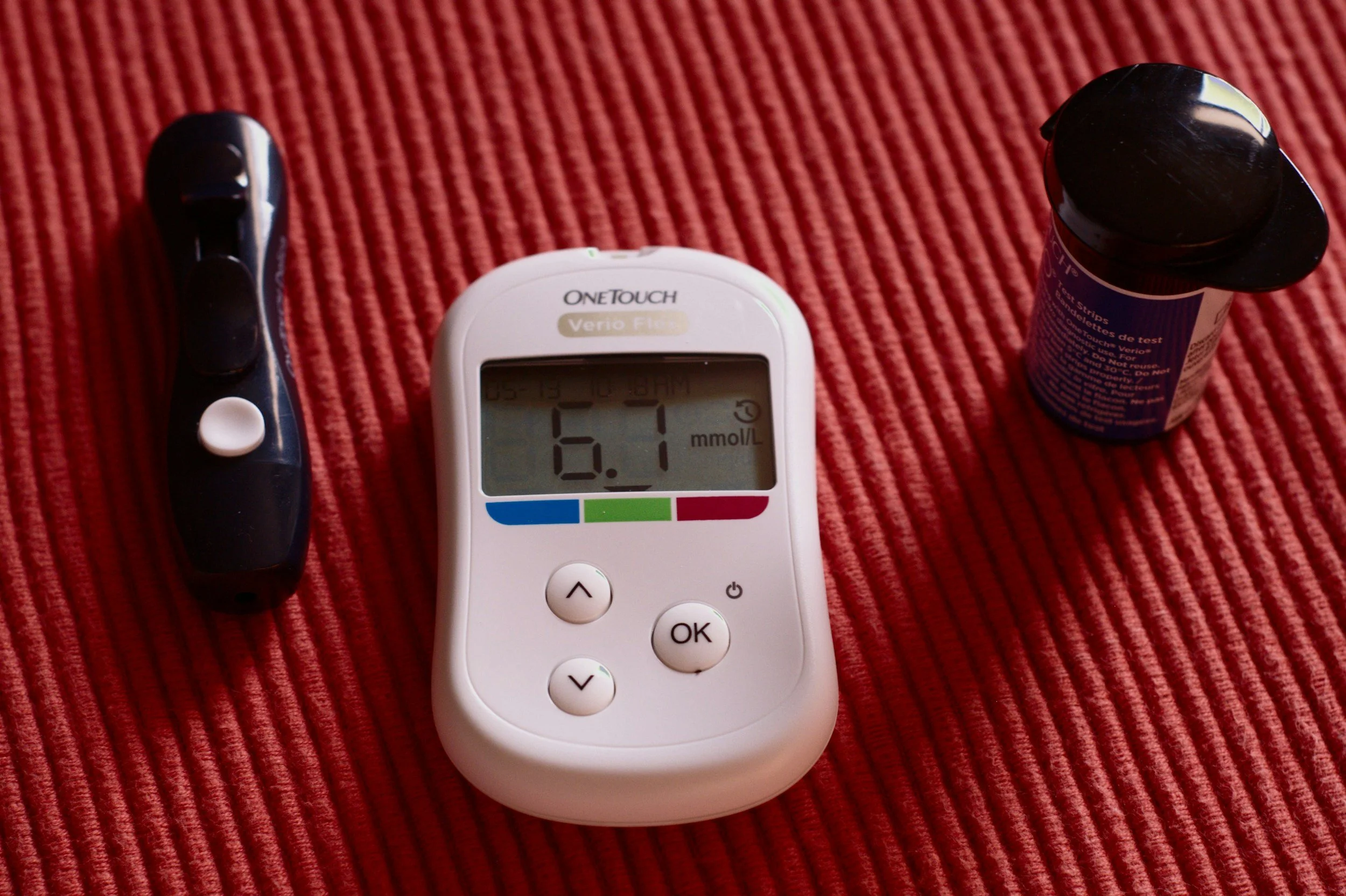
Lactate Isn’t the Enemy — It’s the Signal
Lactate has long been misunderstood as a cause of fatigue. In reality, it reflects how the body is responding to intensity and provides powerful insight into training load.
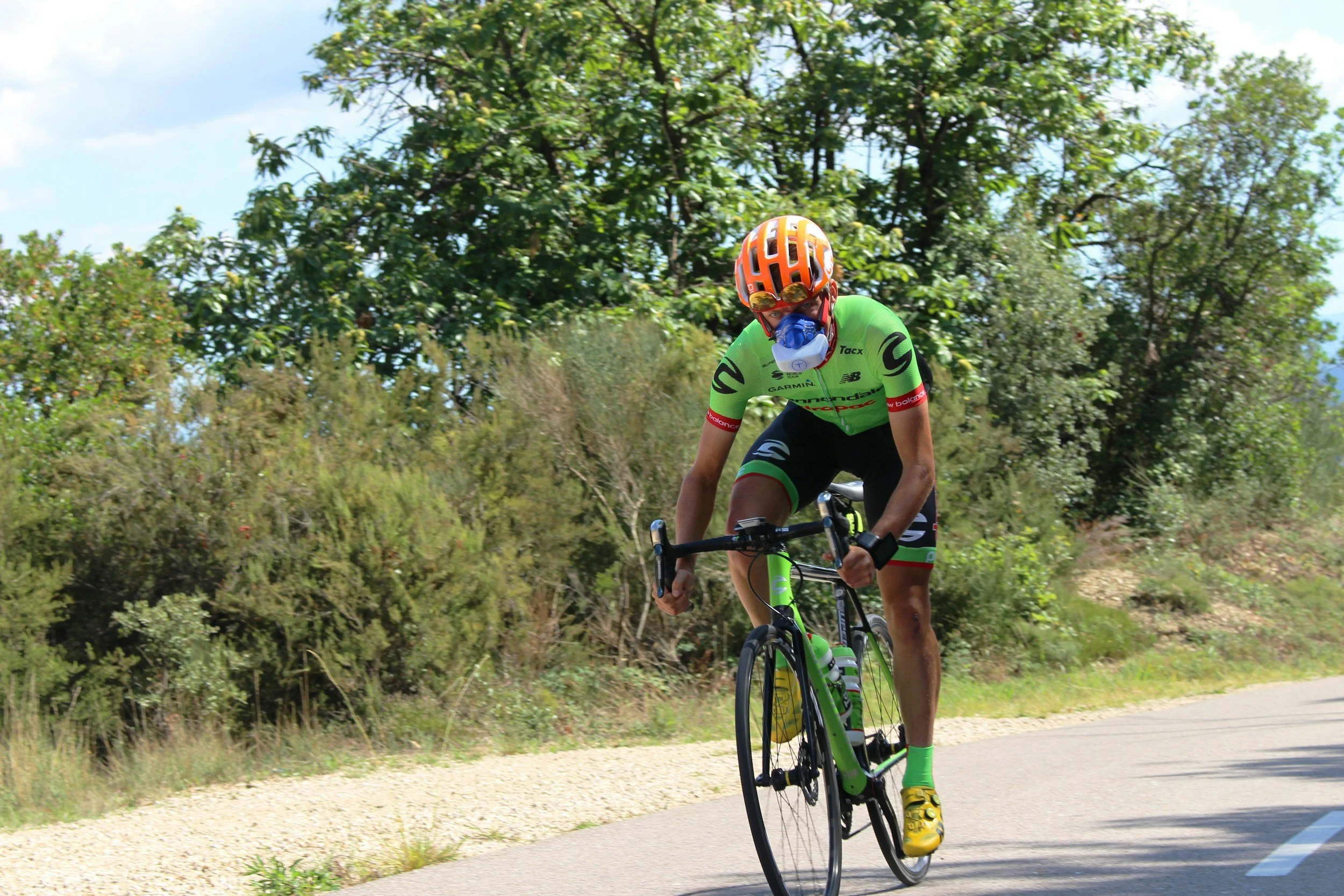
VO₂max Is Just a Number — And Often the Wrong One
VO₂max is easy to measure and hard to improve—but it’s rarely the limiter most cyclists think it is. Long-term performance depends more on metabolic efficiency than peak oxygen uptake.

Why Most Riders Train Too Hard (and Why It Often Makes Them Slower)
Many cyclists equate intensity with progress. In reality, too much hard training often limits adaptation, increases fatigue, and slows long-term improvement.
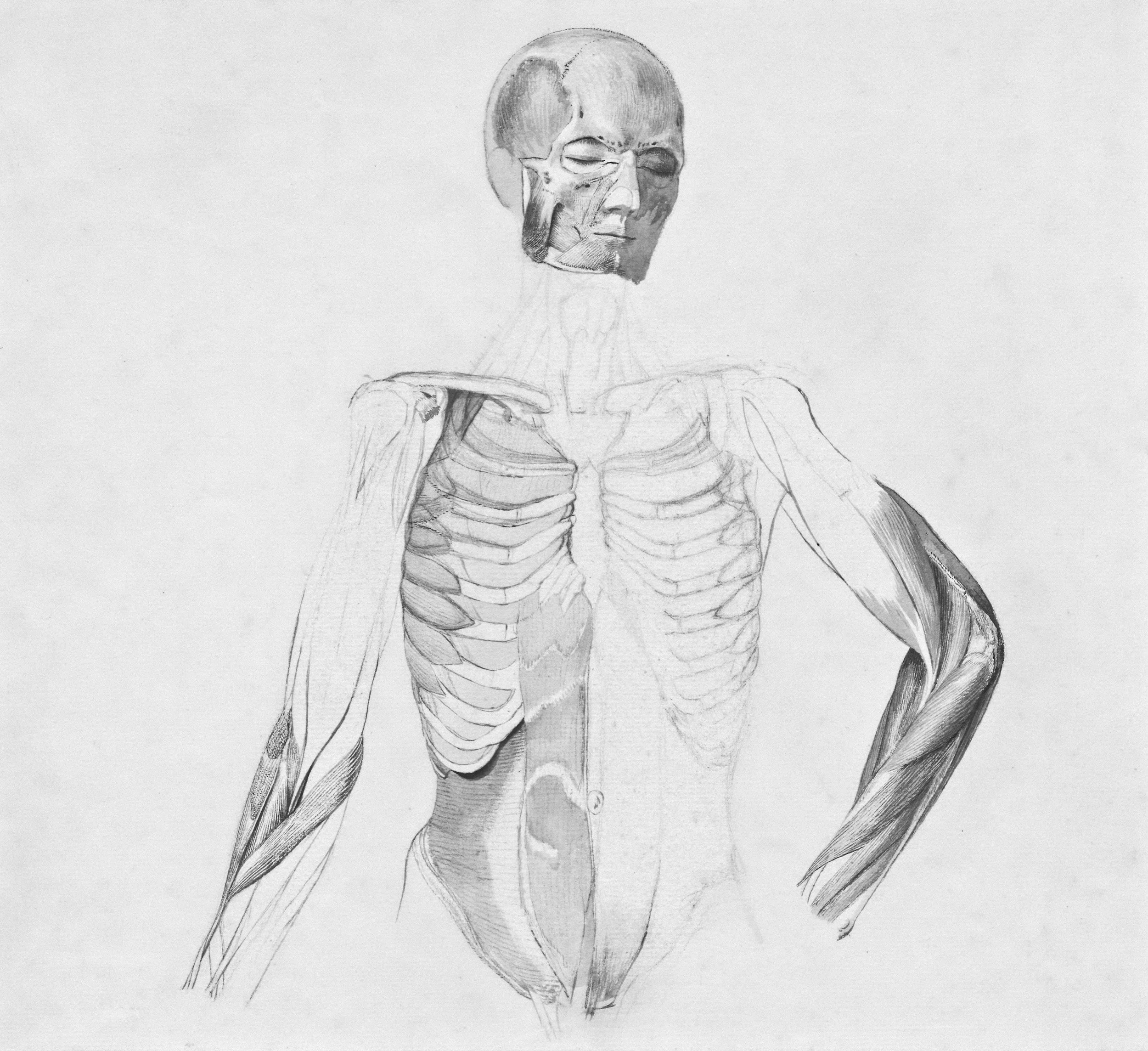
Cycling Is Not Musculoskeletally “Healthy” — And That’s the Point
Cycling isn’t inherently balanced or natural from a musculoskeletal perspective. The goal isn’t to avoid stress—but to manage it intelligently over time.

Pressure Is a Conversation, Not a Test
Pressure only works when the nervous system feels safe enough to respond. The best outcomes come from collaboration, not endurance.

Foam Rolling: Why Less Does More
Foam rolling isn’t about grinding tissue into submission. Used properly, it mirrors clinical bodywork—focused pressure, time, and restraint.

Why Stretching Matters — When It’s Done With Intent
Stretching isn’t a cure—it’s a tool. When paired with manual therapy and intelligent bike fit, stretching helps maintain access to range rather than chasing temporary relief.

Why I Chose Manual Therapy—and Why It Matters in Cycling Support
Manual therapy adds a critical layer to cycling support by addressing tissue tone, movement limitations, and asymmetries that equipment changes alone can’t resolve. It’s not an add-on—it’s foundational.
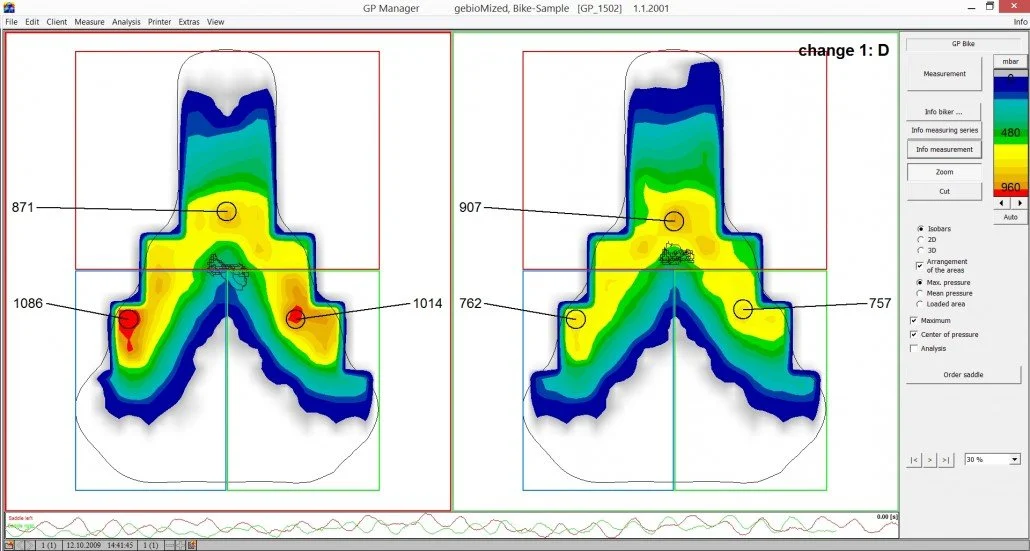
The Balance of Technology, Observation, and Intuition in Bike Fit
Cameras, sensors, and fit bikes provide valuable information, but they don’t see the whole rider. Judgment emerges where data and observation overlap.
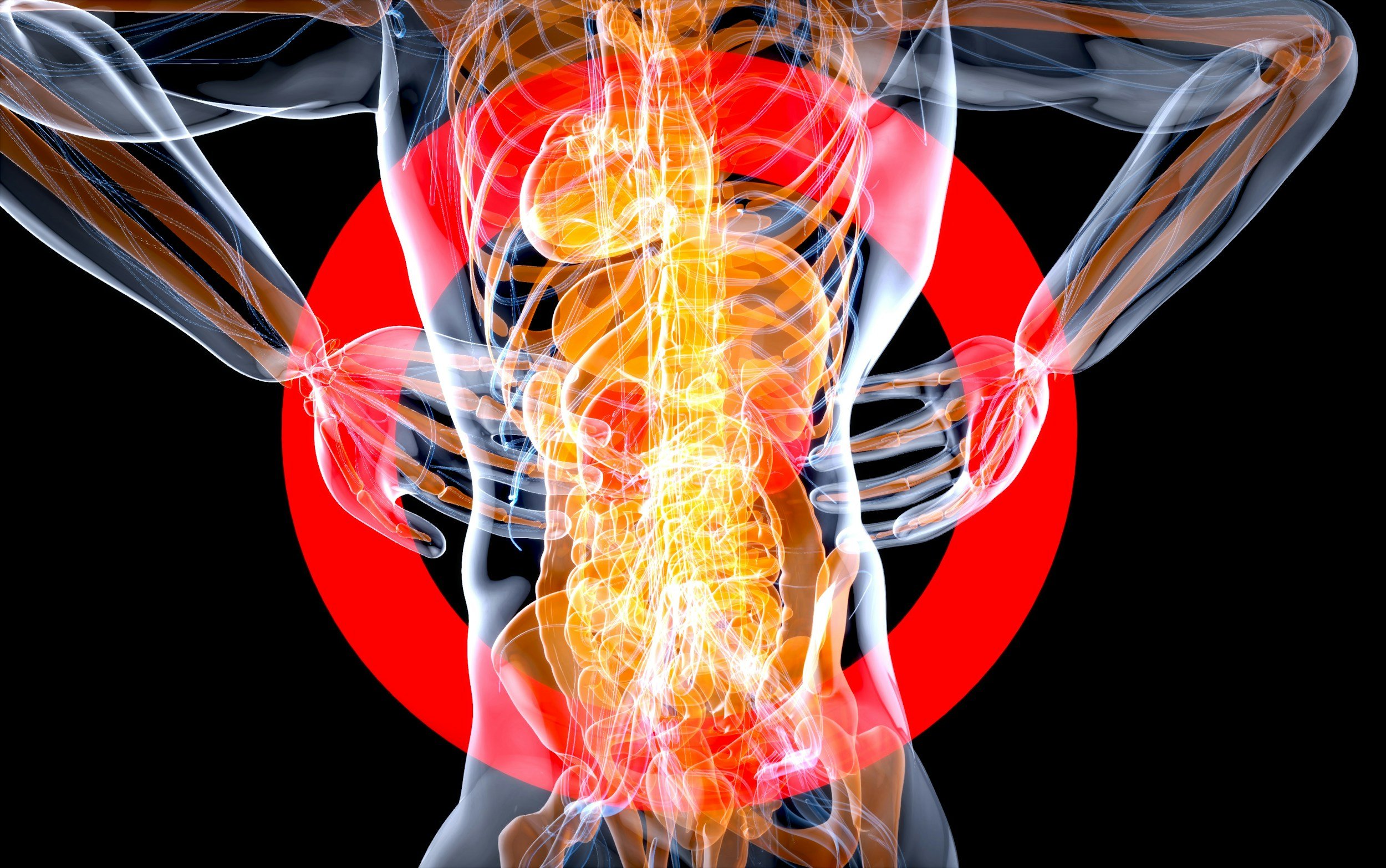
Why Pain Is a Late Signal in Bike Fit — and Discomfort Is the One to Listen To
Pain rarely appears first. In cycling, it’s usually preceded by subtle discomfort, compensation, and fatigue. Learning to listen earlier often prevents bigger problems later.
What Bike Fit Gets Wrong Because Cycling Isn’t Regulated
Without standardized education or licensing, bike fitting varies widely in quality. The result is a field where tools are consistent, but outcomes are not.
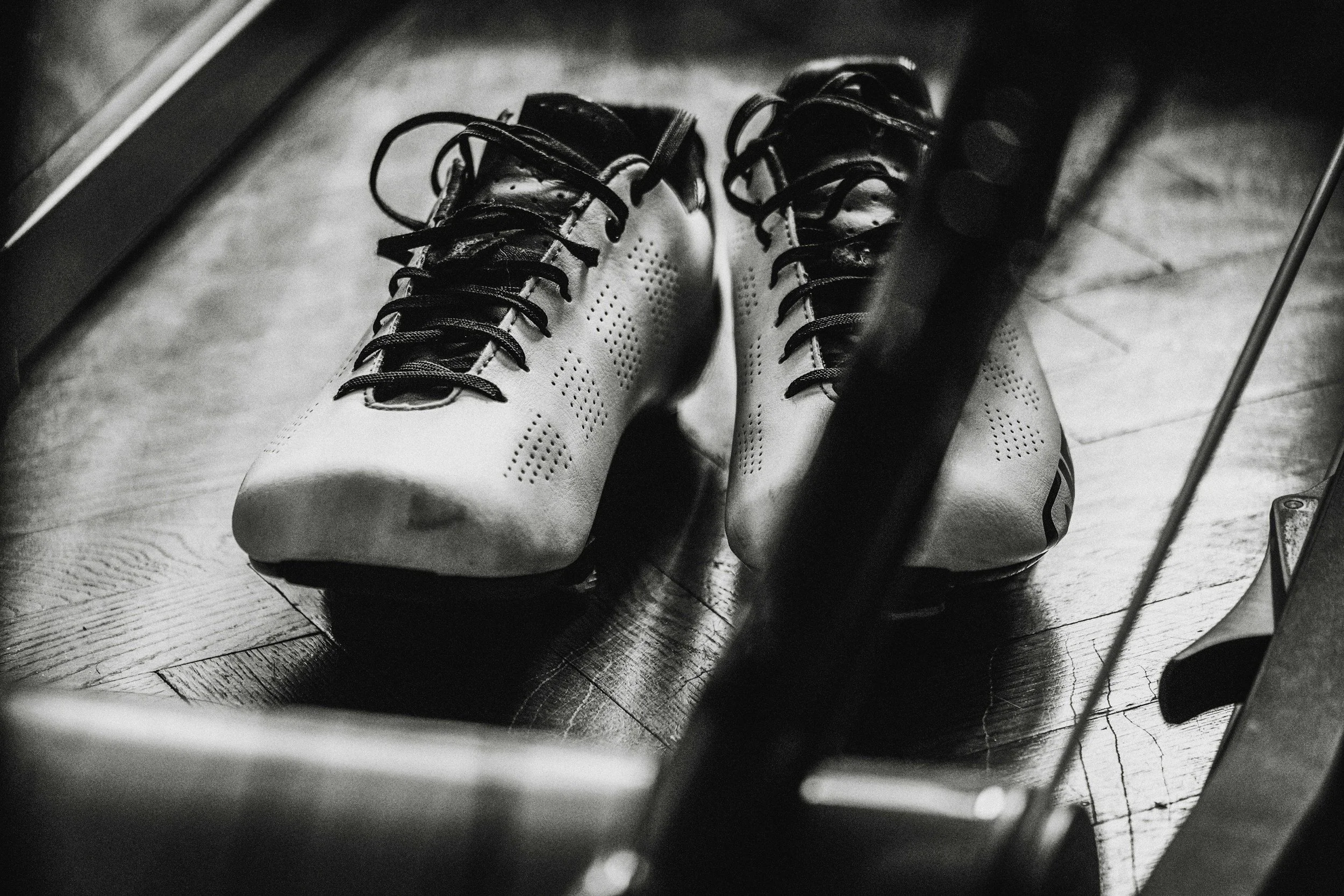
Why Moving Your Cleats Back Often Works Better Than You’ve Been Told
The traditional cleat-forward model comes from walking biomechanics, not cycling. Moving cleats rearward often reduces calf dominance and improves force direction on the bike.
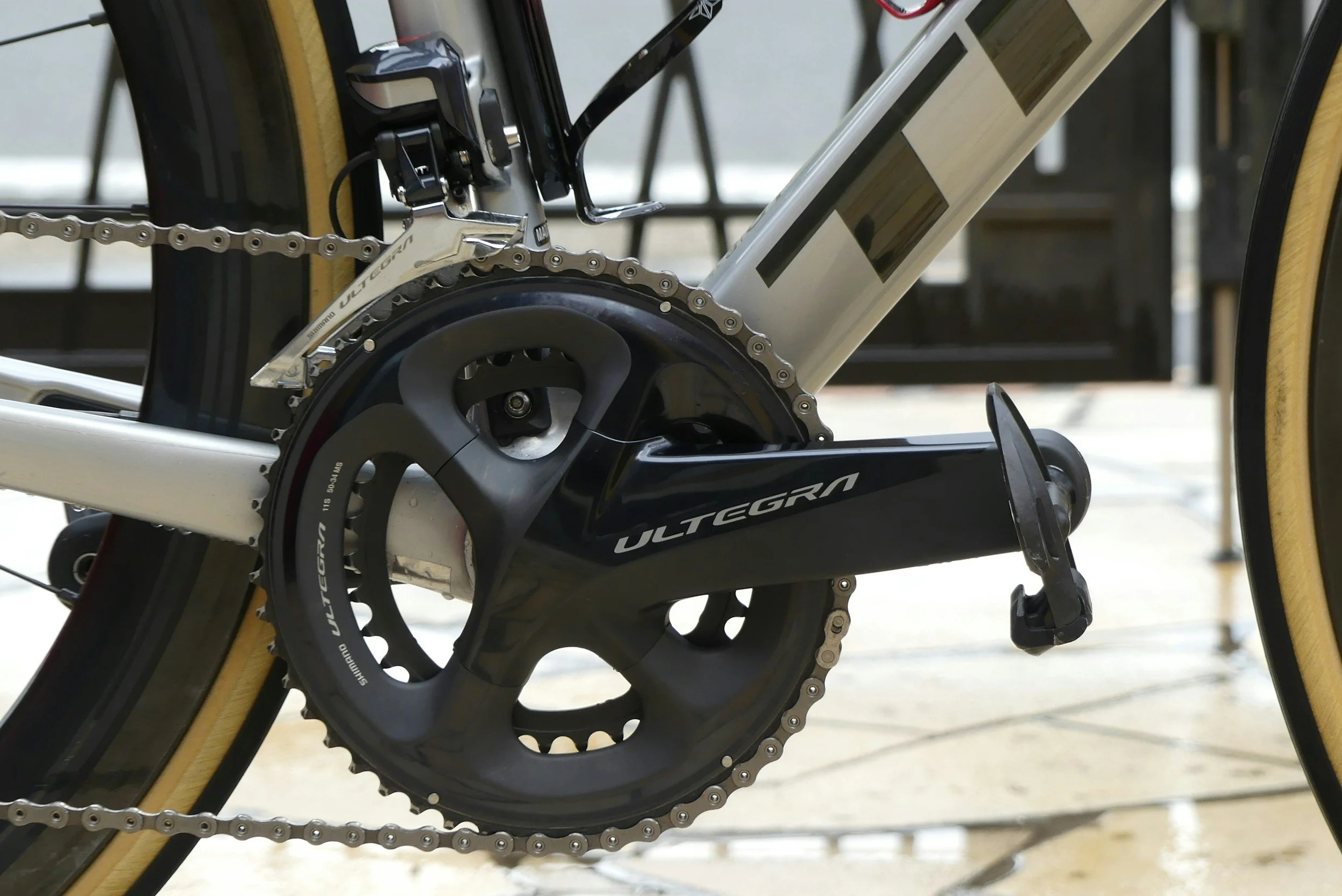
Crank Length, Biomechanics, and the Limits of Reductionist Truths
Crank length doesn’t meaningfully change power in a lab—but cyclists don’t ride in labs. Comfort, coordination, and joint loading often tell a different story.
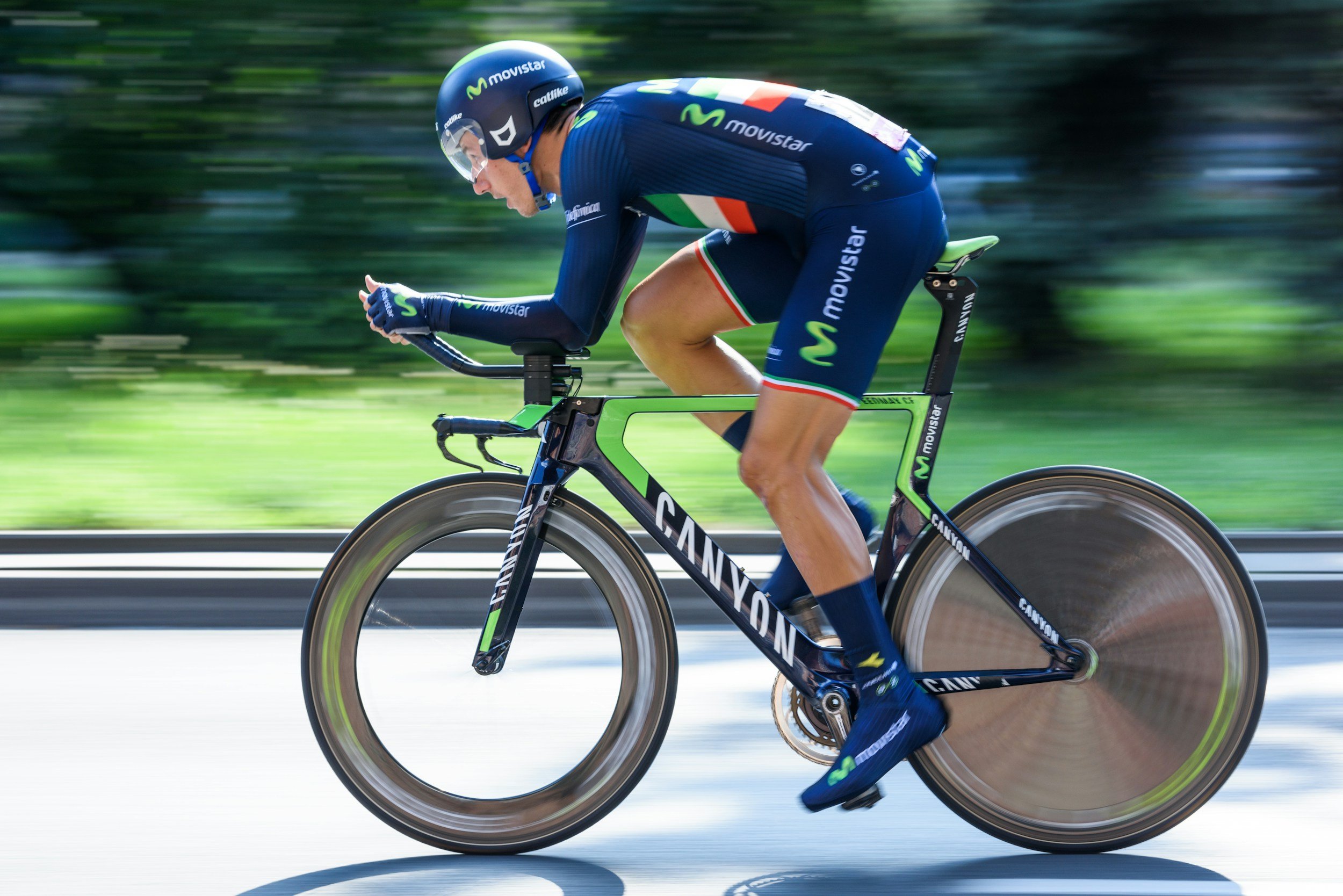
Aerodynamics and Bike Fit: What Actually Matters (and What Most Marketing Leaves Out)
Aerodynamics dominate physics at speed, but most gains come from the rider—not the bike. For most cyclists, chasing aero without functional fit creates more problems than speed.
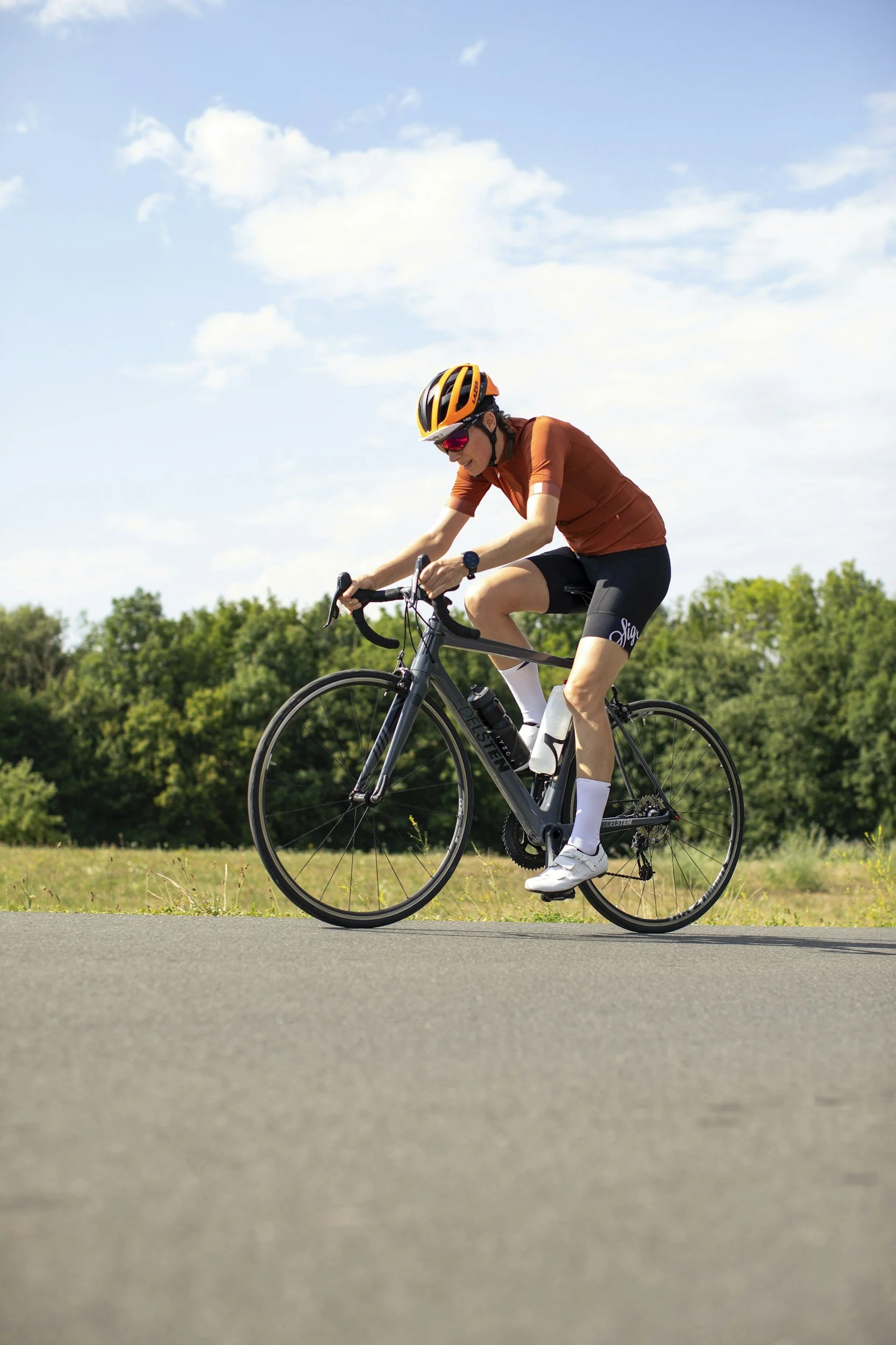
Consistency Over Time: Why the Best Bike Fit Is One You Don’t Have to Relearn
A bike fit that only works once isn’t finished. Consistency over time is what allows riders to train confidently, adapt intelligently, and stop chasing constant adjustments.