
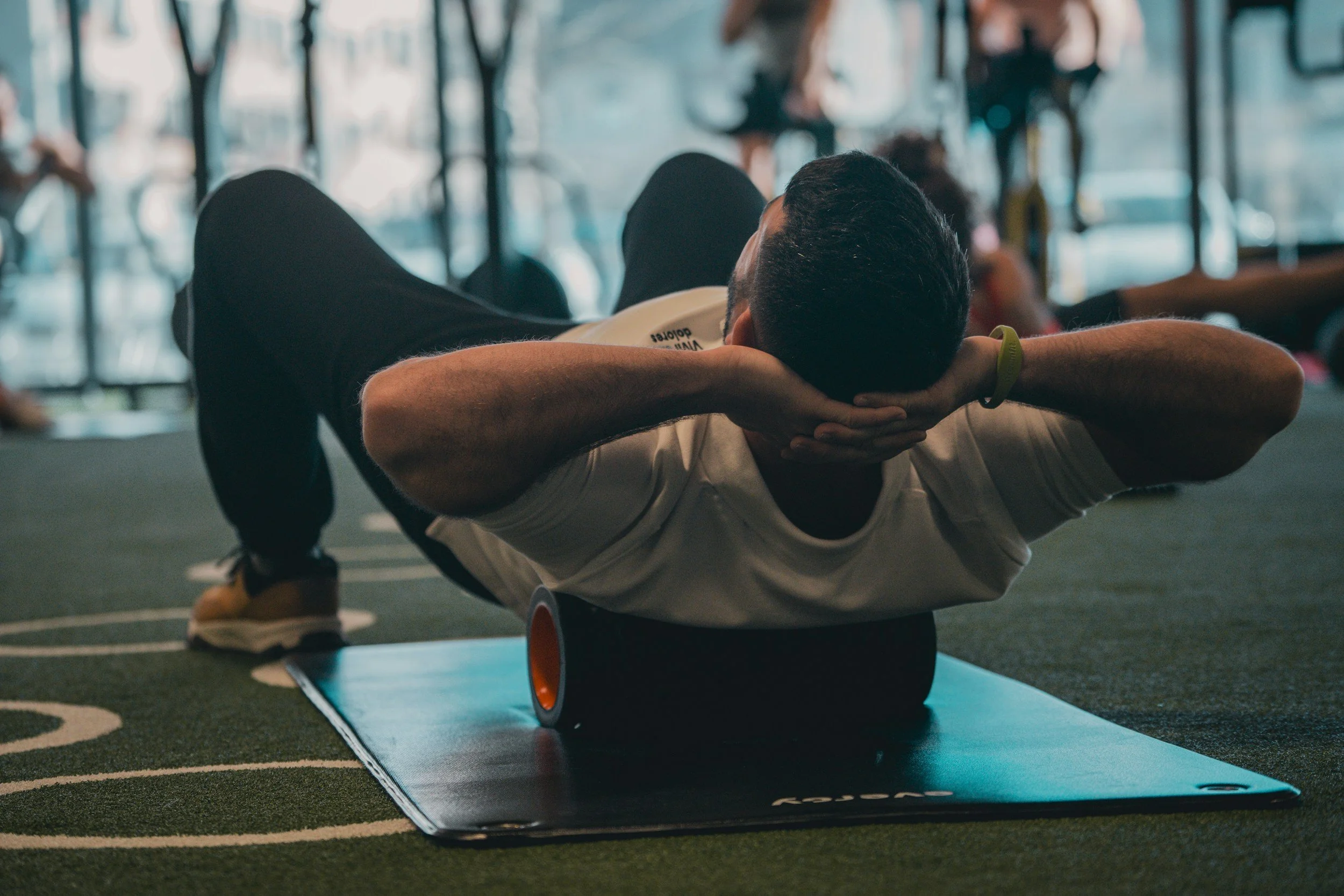
Foam Rolling: Why Less Does More
Foam rolling isn’t about grinding tissue into submission. Used properly, it mirrors clinical bodywork—focused pressure, time, and restraint.
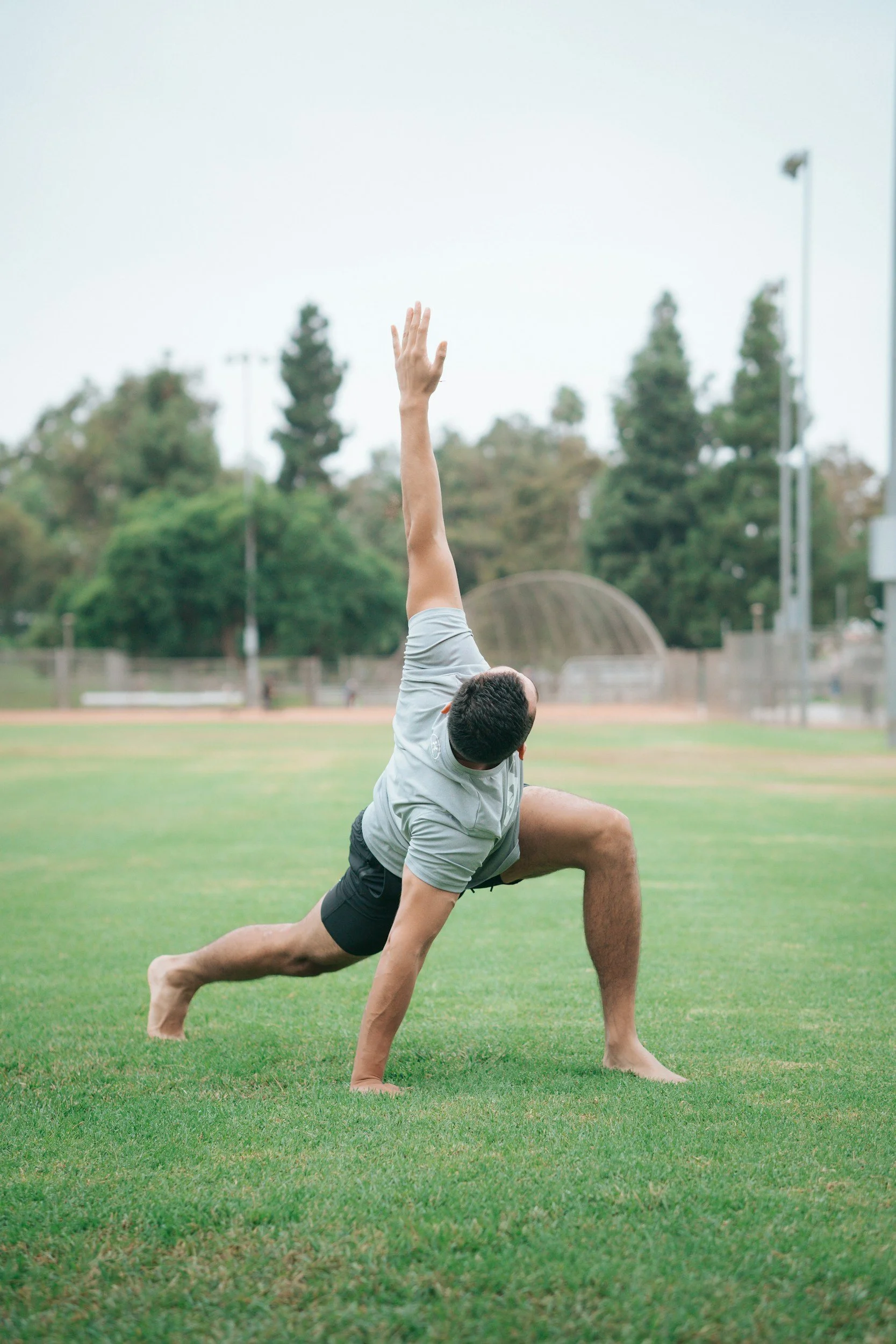
Why Stretching Matters — When It’s Done With Intent
Stretching isn’t a cure—it’s a tool. When paired with manual therapy and intelligent bike fit, stretching helps maintain access to range rather than chasing temporary relief.
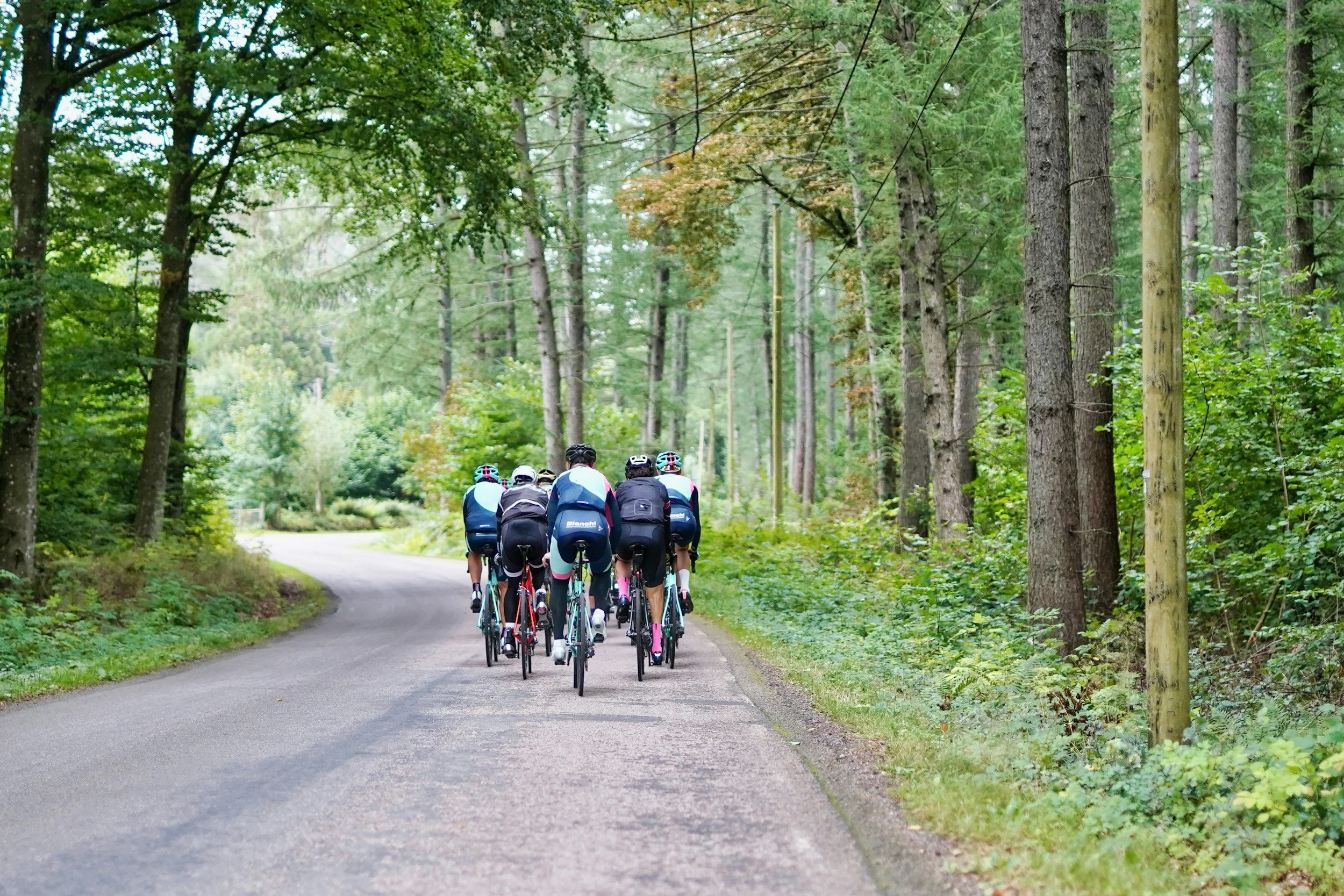
Why I Chose Manual Therapy—and Why It Matters in Cycling Support
Manual therapy adds a critical layer to cycling support by addressing tissue tone, movement limitations, and asymmetries that equipment changes alone can’t resolve. It’s not an add-on—it’s foundational.
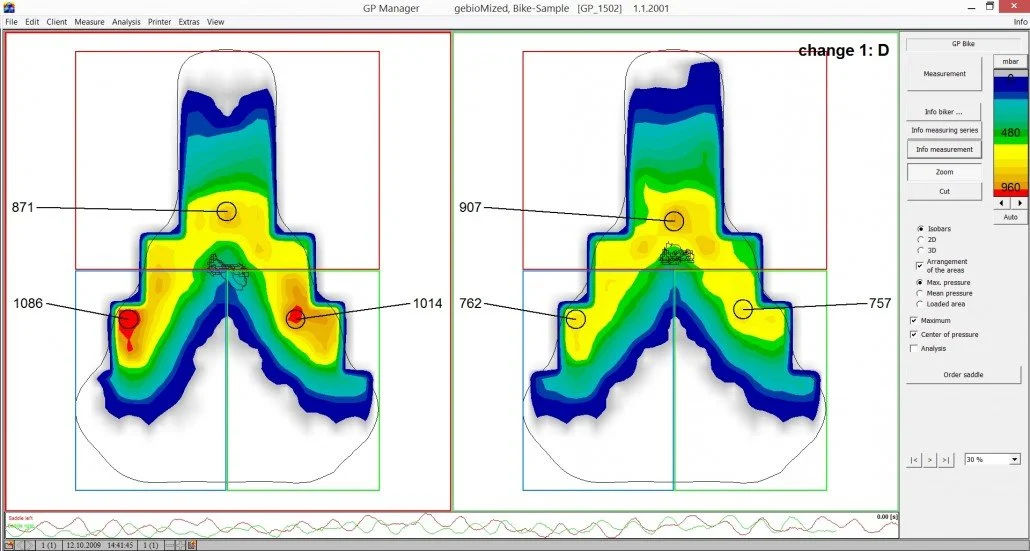
The Balance of Technology, Observation, and Intuition in Bike Fit
Cameras, sensors, and fit bikes provide valuable information, but they don’t see the whole rider. Judgment emerges where data and observation overlap.
Why Pain Is a Late Signal in Bike Fit — and Discomfort Is the One to Listen To
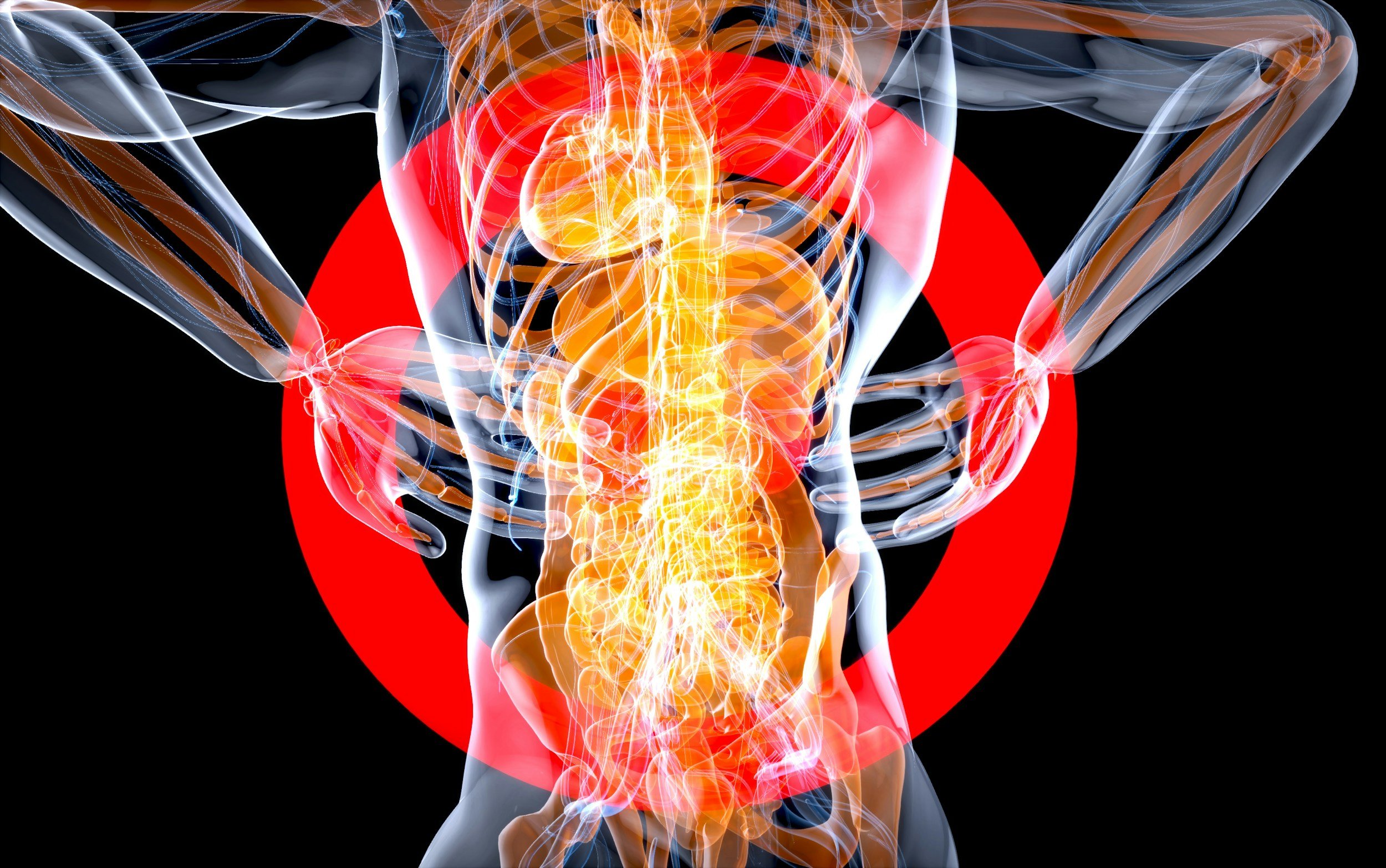
Pain rarely appears first. In cycling, it’s usually preceded by subtle discomfort, compensation, and fatigue. Learning to listen earlier often prevents bigger problems later.
What Bike Fit Gets Wrong Because Cycling Isn’t Regulated
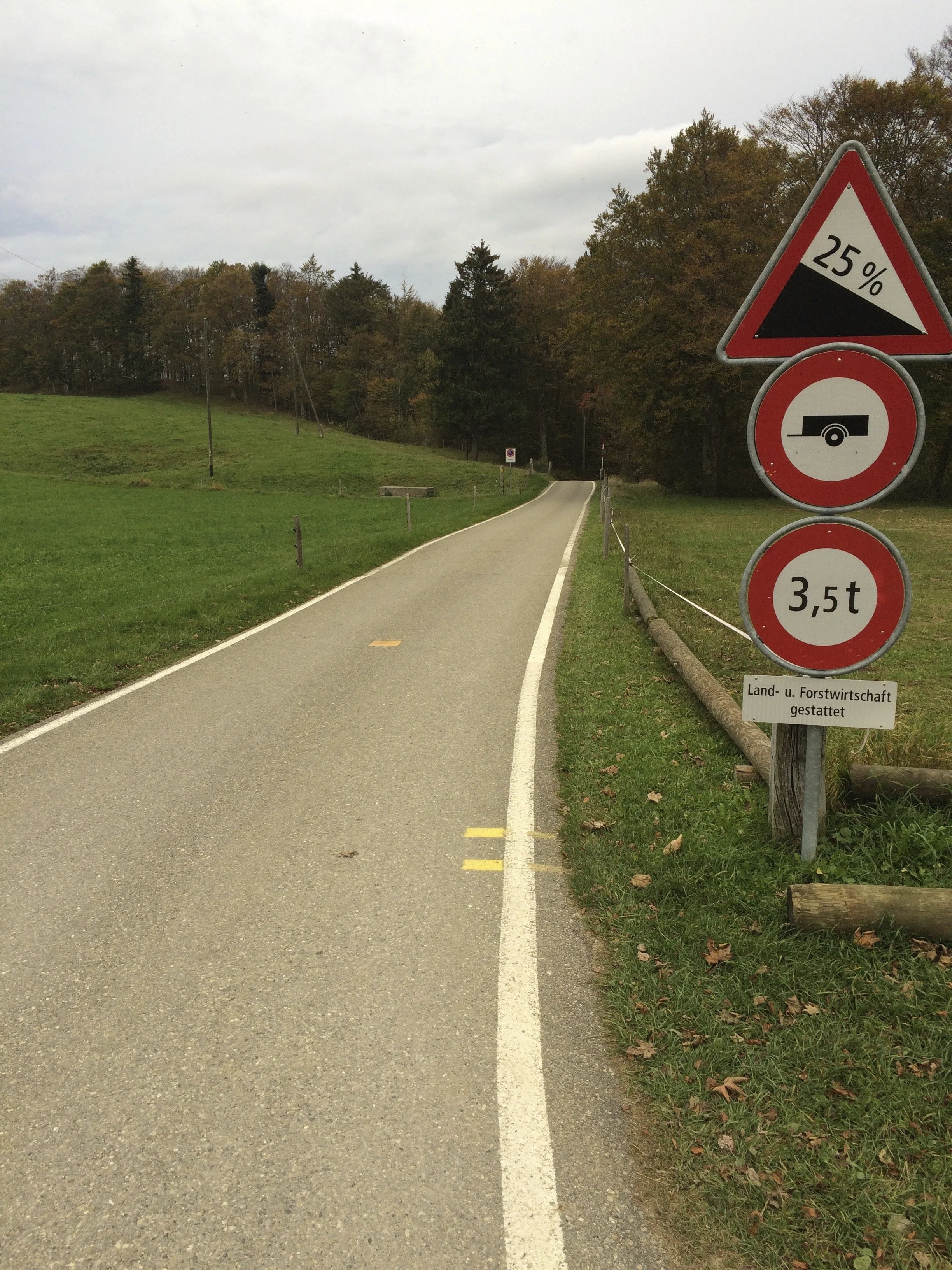
Without standardized education or licensing, bike fitting varies widely in quality. The result is a field where tools are consistent, but outcomes are not.
Why Moving Your Cleats Back Often Works Better Than You’ve Been Told
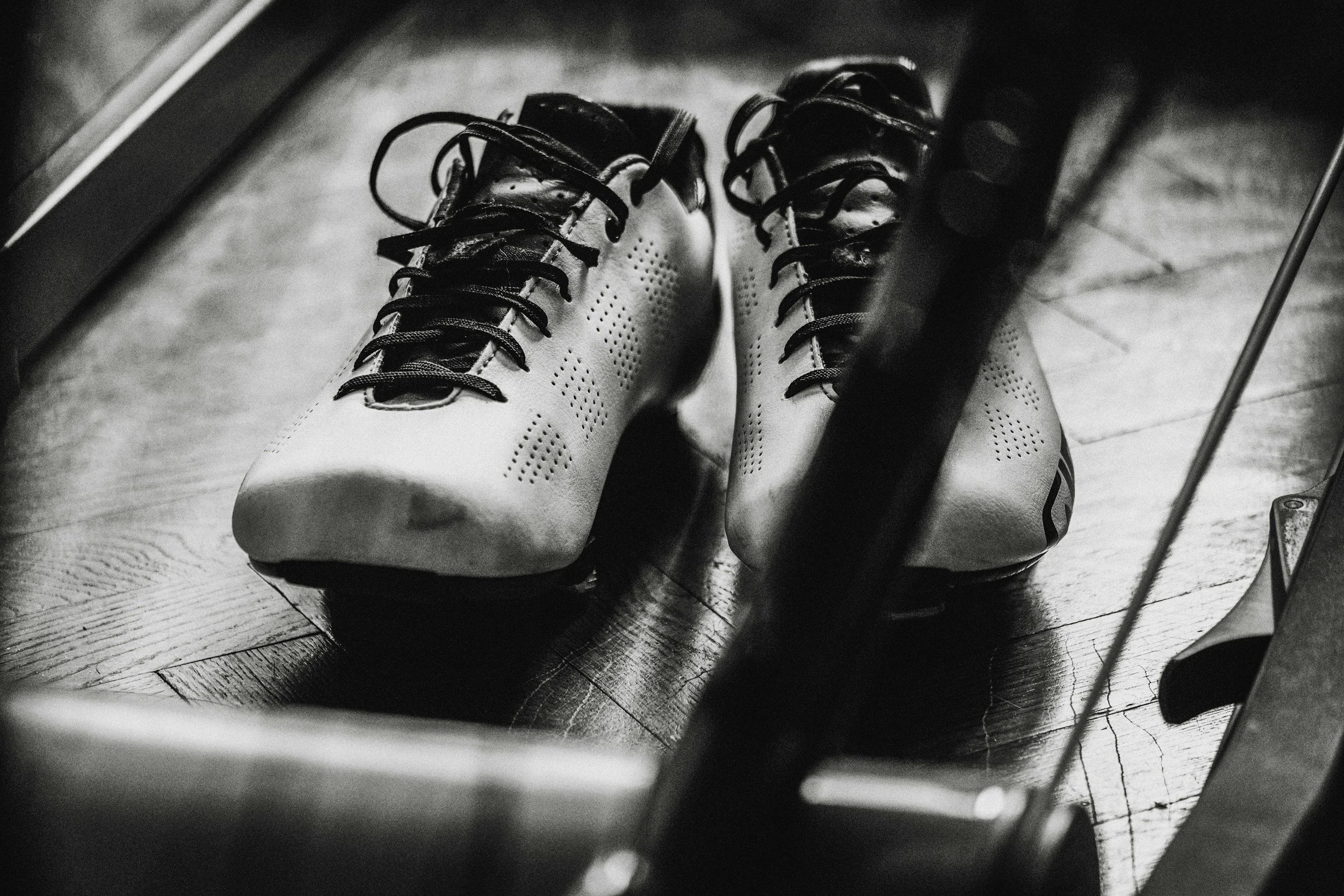
The traditional cleat-forward model comes from walking biomechanics, not cycling. Moving cleats rearward often reduces calf dominance and improves force direction on the bike.
Crank Length, Biomechanics, and the Limits of Reductionist Truths
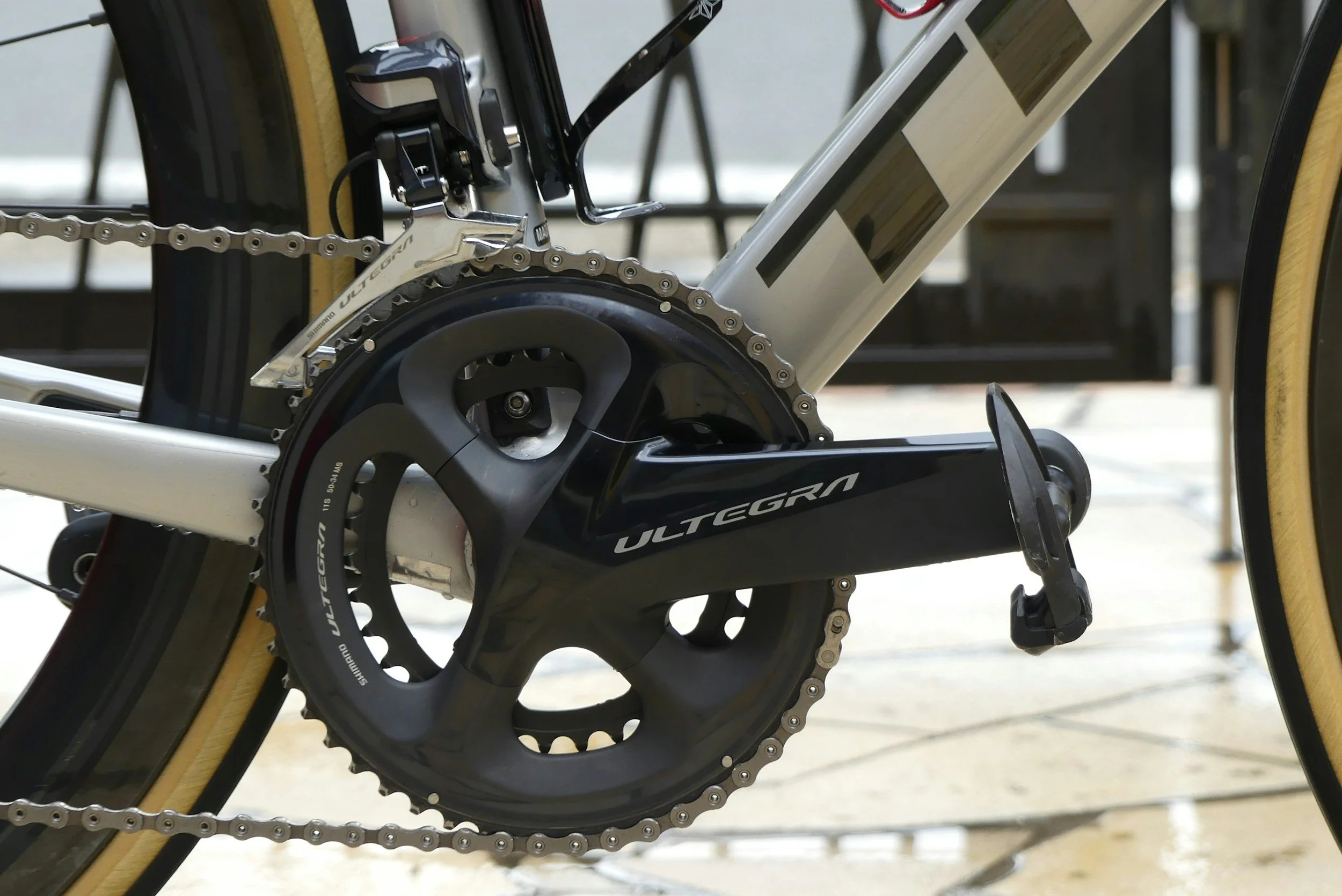
Crank length doesn’t meaningfully change power in a lab—but cyclists don’t ride in labs. Comfort, coordination, and joint loading often tell a different story.
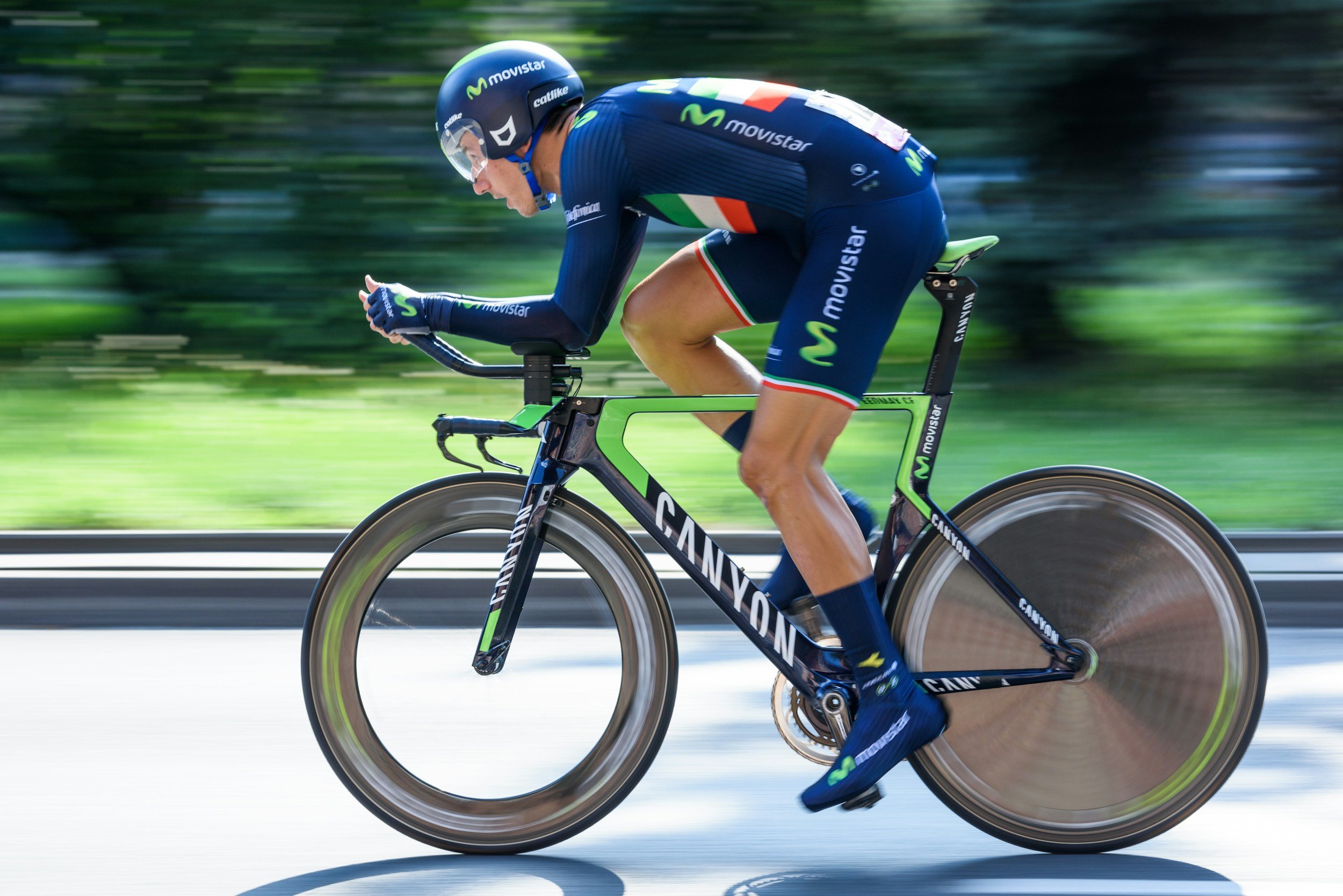
Aerodynamics and Bike Fit: What Actually Matters (and What Most Marketing Leaves Out)
Aerodynamics dominate physics at speed, but most gains come from the rider—not the bike. For most cyclists, chasing aero without functional fit creates more problems than speed.
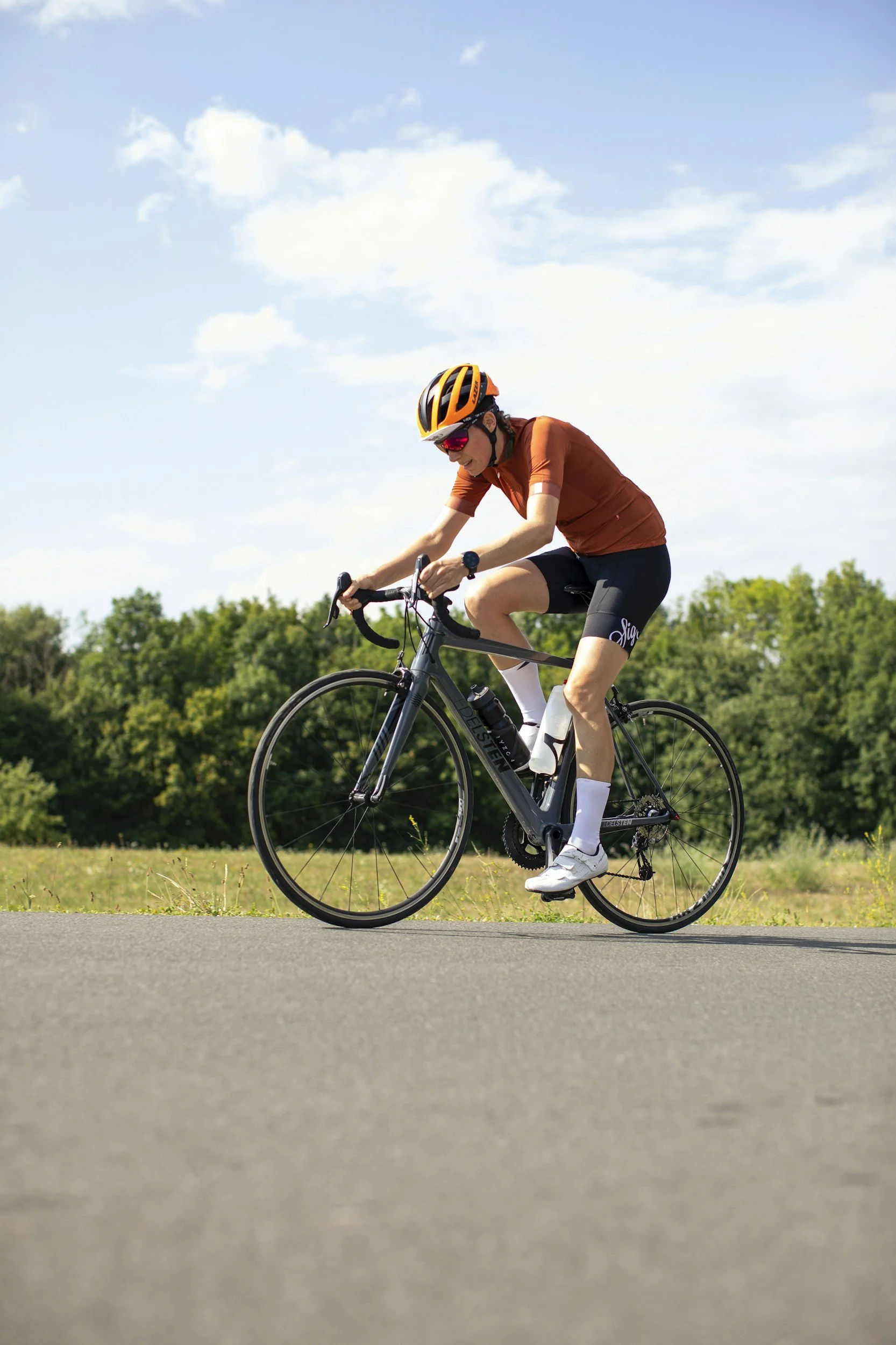
Consistency Over Time: Why the Best Bike Fit Is One You Don’t Have to Relearn
A bike fit that only works once isn’t finished. Consistency over time is what allows riders to train confidently, adapt intelligently, and stop chasing constant adjustments.
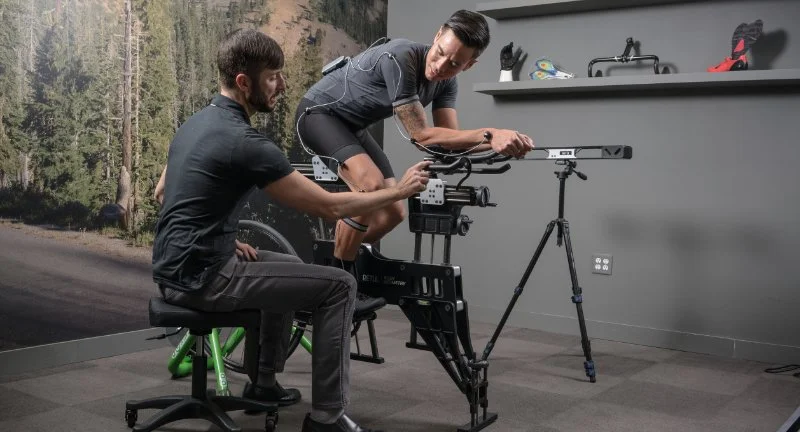
When Data Becomes the Shortcut: Technology, Normalization, and the Cost of Scale in Bike Fitting
Modern bike fitting technology can amplify good judgment or quietly replace it. When data becomes a shortcut, individuality is often lost in favor of speed and scale.
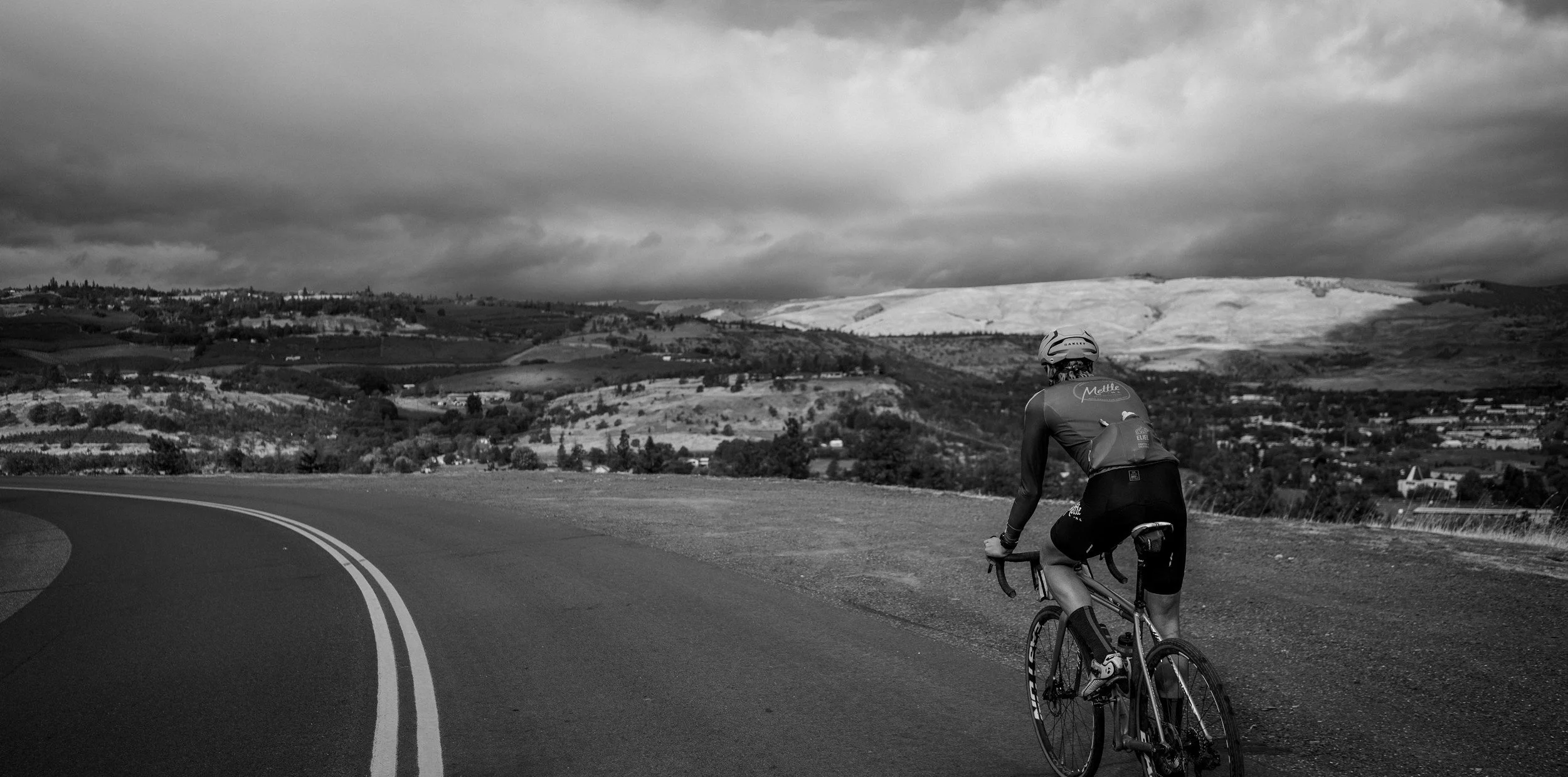
What to Expect From a Bike Fit at a Red Eye Service Course
A bike fit at a service course is a process, not a transaction. It combines movement assessment, experimentation, and follow-up to build positions that hold up under real riding demands.

Why Your Position Can’t Be Evaluated in Isolation
A rider’s position isn’t a set of angles—it’s a relationship between body, equipment, and load. When bike fit is evaluated in isolation, important variables are missed and durability suffers.
Expertise Has a Scope: Why Training Matters in Cycling Support
Cycling support lives at the intersection of biomechanics, equipment, and human movement. When expertise extends beyond its scope, riders often pay the price through guesswork rather than clarity.
Bike Shop, Fit Studio, or Service Course? Choosing the Right Kind of Support
Most riders don’t choose the wrong service—they choose the wrong service for the problem they’re trying to solve. Understanding how bike shops, fit studios, and service courses differ helps set better expectations and deliver better results.

A Service Course Is Built Around the Rider, Not the Transaction
Most bike service models are built around transactions. A service course starts from a different premise: understanding the rider as a system and supporting them consistently over time.

What Is a Bicycle Service Course?
A bicycle service course isn’t a replacement for a bike shop or fit studio—it’s a different operating system entirely. Built around repeatability and long-term support, it treats the rider and bike as a system that evolves over time.